Categories
Our Water

Why Refill Water Is Becoming The Smarter Everyday Choice For South African Households

As the cost of living continues to rise across South Africa, many households are rethinking their everyday spending habits, including how they buy drinking water.

While bottled water remains an important and convenient option for travel, events, retail purchases, and on-the-go hydration, more consumers are beginning to recognise the long-term value of refill water for daily use at home and in the workplace.

At MANZI Water, refill water has always been more than an additional service. It forms a core part of our mission to provide South Africans with accessible, reliable, and practical hydration solutions.

In this article, we explore why refill water is increasingly becoming the smarter everyday choice for modern households and businesses.

What Is Refill Water?

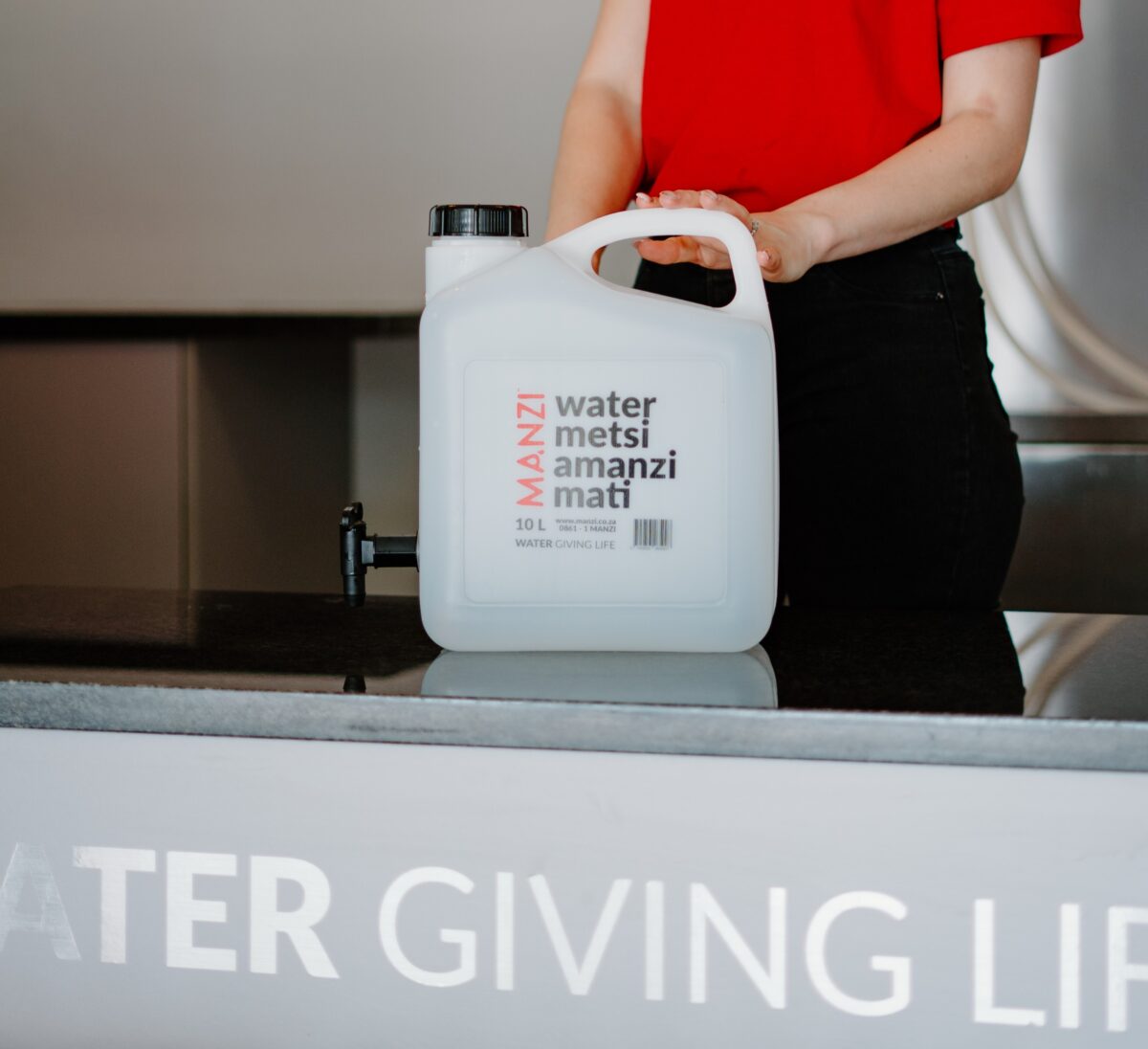
Refill water refers to purified drinking water collected by customers into reusable containers at dedicated refill stations. Instead of purchasing a new bottle each time, customers refill their existing containers and pay only for the water itself.

At MANZI Water, refill water is supported by defined operating standards, purification protocols, hygiene procedures, and ongoing quality monitoring designed to align with recognised South African drinking water benchmarks.

Our water undergoes a controlled multi-stage purification process intended to deliver safe, clean drinking water suitable for everyday use.

The Rising Cost of Everyday Drinking Water

There is no denying the convenience of bottled water. Whether for commuting, school lunches, travelling, sporting events, or retail convenience, bottled water continues to play an important role in daily life.

However, for households and offices using large volumes of drinking water every day, the costs can add up over time.

Many South African families use drinking water daily for:

  • Filling Kettles;
  • Making Tea and Coffee;
  • Cooking;
  • Water Dispenser Refills;
  • Office Hydration; and
  • General Family Drinking Water Needs.

Using single-use bottled water for all these purposes can become expensive, particularly for larger households or workplaces.

This is where refill water begins to make practical and financial sense.

Why Refill Water Makes Financial Sense

One of the biggest advantages of refill water is affordability.

By reusing containers and paying only for purified water refills, households can significantly reduce their ongoing drinking water costs compared to repeatedly purchasing new bottles.

For many families, refill water offers a more sustainable everyday budgeting solution without compromising on convenience or accessibility.

As economic pressures continue to affect consumers across South Africa, people are increasingly looking for practical ways to reduce recurring monthly expenses. Refill water offers one such solution for households seeking value in their everyday routines.

Convenience For Everyday Living

Refill water also fits naturally into modern daily life.

Many customers keep refill containers at home, in offices, or connected to water dispensers, allowing them to access purified drinking water conveniently without needing to purchase smaller bottles repeatedly.

With a growing network of outlets and refill stations across South Africa, MANZI Water aims to make refill water both accessible and convenient for communities, families, and businesses.

Quality You Can Trust

Affordability only matters when customers can trust the water they are drinking.

Across the MANZI Water network, prepared water is managed against defined quality and hygiene standards. Outlets are required to follow a six-step purification process, maintain daily technical checks, keep maintenance and filter replacement records, and submit prepared water samples for monthly independent laboratory testing.

This helps ensure that refill water is not only affordable and practical, but also supported by consistent quality controls.

Customers should always use clean, food-safe containers when refilling, as the condition of the container plays an important role in maintaining water quality after purchase.

A Practical Long-Term Habit

Refill water is not about replacing bottled water entirely. Both refill and bottled water serve important purposes depending on the situation.

Rather, refill water offers a practical long-term solution for high-volume everyday consumption, while bottled water continues to provide convenience for mobility, retail, and immediate use.

For many South African households, refill water is becoming part of a smarter daily routine built around affordability, practicality, and consistent access to drinking water.

More Than Just Water

At MANZI Water, we believe that access to safe, clean, and reliable drinking water should be practical, accessible, and sustainable for everyday life.

As more consumers rethink how they spend and live, refill water continues to grow as an increasingly sensible choice for households and businesses seeking long-term value without sacrificing quality or convenience.

Because sometimes, the smartest everyday choices are the simplest ones.

Categories
Our Water

Municipal Water vs Prepared Water In South Africa: Consistency, Quality, and Peace of Mind

Access to safe, clean drinking water is something many of us assume will always be there. In South Africa, however, the reality is more nuanced. Water quality, supply consistency, and infrastructure reliability can vary depending on where you live.

In recent years, there has also been increased public discussion around water quality and infrastructure, with independent testing and reports highlighting that conditions can differ significantly between municipalities.

This raises an important question:

Should you rely on municipal water, or consider prepared water as an alternative?

Understanding the differences between these two options can help you make a more informed decision for your home, your family, and your daily routine.

Understanding Municipal Water In South Africa

Municipal water is supplied by local authorities and regulated according to national standards. In many areas, it is treated and tested to ensure it is safe for consumption.

That said, the experience of municipal water is not always the same across the country.

Factors such as ageing infrastructure, maintenance challenges, and regional differences can influence both the quality and reliability of supply. In some areas, independent testing has highlighted inconsistencies at the point of use, often linked to infrastructure conditions rather than treatment itself.

If you would like a broader view of how these challenges affect the country, you can read more in our article on the state of South Africa’s water supply.

You can also explore potential concerns in more detail in the potential hazards in tap water.

What is Prepared Water?

Prepared water refers to water that has gone through a controlled purification process to ensure consistency and quality.

At MANZI Water, this process typically includes filtration, reverse osmosis, UV sterilisation, and ozone treatment.

The aim is to produce water that delivers a consistent experience, regardless of external factors such as infrastructure or location.

If you would like to understand this process in more detail, you can read the MANZI Water purification process.

Consistency

One of the key differences between municipal water and prepared water is consistency.

Municipal water can vary depending on where you are and the condition of the local infrastructure. Even within the same area, changes in pressure, maintenance, or supply conditions can affect the end result.

Prepared water, on the other hand, is processed under controlled conditions. This allows for a more consistent outcome over time.

Quality Control

Municipal water is regulated and treated, but the journey from the treatment plant to your tap can introduce variables.

Prepared water is treated and managed within a controlled environment, with processes in place to monitor quality more closely.

Recent discussions around water quality in South Africa have also pointed to the importance of monitoring conditions beyond treatment facilities, particularly within distribution networks.

If you are interested in how water quality is tested and maintained, you can explore the water quality testing procedures and the quality standards of purified water in South Africa.

Reliability of Supply

Reliability is another important factor to consider.

Municipal systems can experience interruptions due to maintenance, infrastructure issues, or other external factors. In some regions, ongoing infrastructure challenges have contributed to increased pressure on supply systems, which can affect consistency over time.

If you have experienced outages or want to be better prepared, this guide may be helpful: how to prepare for water outages.

Prepared water provides an additional layer of reliability, as it is available through refill outlets, delivery services, or packaged formats.

Taste

Taste can vary when it comes to municipal water. Factors such as treatment methods and infrastructure can influence how the water tastes.

Prepared water is designed to offer a clean and neutral taste, providing a more consistent drinking experience.

Peace of Mind

For many people, the decision ultimately comes down to peace of mind.

Municipal water is often safe, but depending on the area, there may be some uncertainty around consistency and reliability. This has contributed to a growing awareness among households and businesses around the importance of having a dependable drinking water option.

Prepared water is designed to reduce that uncertainty by offering a controlled and consistent alternative.

If peace of mind is something you value, you can read more in safe, clean drinking water in South Africa.

Which Option Is Right for You?

The right choice will depend on your specific circumstances.

Municipal water may be sufficient in areas where infrastructure is strong and supply is consistent.

However, if you are looking for greater consistency, predictable quality, and a reliable alternative during disruptions, prepared water offers a practical solution.

A Balanced Approach

For many South Africans, the answer is not one or the other.

A balanced approach is becoming more common, where municipal water is used for general purposes, while prepared water is used for drinking and cooking.

This approach allows for flexibility while ensuring that what you consume remains consistent.

Final Thoughts

Water is something we use every day, often without thinking about it.

Taking the time to understand your options allows you to make a more informed decision for your home and your family.

Whether you choose municipal water, prepared water, or a combination of both, the goal remains the same: safe, clean, and consistent hydration you can rely on.

Looking For a More Consistent Water Solution?

MANZI Water provides accessible, high-quality prepared water through a growing network of refill outlets across South Africa.

Whether for your home, office, or community, our focus remains simple. Delivering water you can trust, every day.

FAQs

What does municipal mean in water?

Municipal water refers to water that is supplied and managed by local government authorities. It is treated at central facilities and distributed through public infrastructure such as pipes and reservoirs to homes and businesses. This water is regulated according to national standards, but the experience can vary depending on local infrastructure and maintenance conditions.

Is it safe to drink municipal water?

In many areas, municipal water is treated and tested to meet safety standards and is generally considered safe to drink. However, the quality and consistency can vary due to factors like ageing infrastructure, maintenance issues, and regional differences. This means that while municipal water is often safe, some households prefer prepared water for greater consistency and peace of mind.

What is local municipal water?

Local municipal water is simply the tap water provided by your specific municipality. It comes from local water treatment plants and is distributed through the area’s infrastructure network. The quality, taste, and reliability of this water can differ depending on the condition of the local system and how well it is maintained.

Categories
Our Water

Types of Water at MANZI Water

If you have ever stood in front of a shelf or a water refill station wondering what the actual difference is between natural, mineral, spring, and prepared water, you are not alone.

In South Africa, these terms are not just marketing language. They link to legal definitions and specific rules about where the water comes from, what treatments are allowed, and how it must be labelled.

This matters because when water categories are used correctly, consumers can make clear and confident choices. When they are used loosely, even unintentionally, people can be misled.

In this article, we unpack the legally recognised bottled water categories in South Africa, explain where MANZI Water fits, and clarify why MANZI Water is positioned clearly and transparently within the Prepared Water category.

Why Understanding the Types of Water Matters

Water looks simple, but in bottled water, the types of water is important because it tells you:

  • The origin of the water, such as an underground formation or a public distribution supply;
  • What treatments are permitted;
  • What the label must disclose; and
  • What claims are allowed and which are not.

In simple terms, the correct category helps ensure that a product is described honestly and consistently under the law.

Legally Recognised Bottled Water Categories in South Africa
South African bottled water regulations define several categories. Each category has specific requirements relating to origin, treatment, and labelling.

1. Natural Water

Natural water is defined as water derived from an underground formation that has not been modified, except for limited treatments allowed under the regulations.

These regulations require protected source perimeters, a stable composition, and packaging close to the point where the water emerges.

Permitted treatments are limited and generally include filtration, including aeration, and adjustments involving carbon dioxide.

2. Natural Mineral Water

Natural mineral water is a sub-category of natural water. It contains mineral salts in varying proportions and is characterised by trace elements and other substances such as calcium, magnesium, sodium, and potassium.

Importantly, it remains classified as natural water in regulatory terms, and the same strict rules around origin and treatment apply.

3. Spring Water

Spring water is sourced from an underground formation where water flows naturally to the surface. It is collected either at the spring itself or via a borehole that taps the same underground formation.

Spring water may be classified as natural water or as water defined by origin, depending on how it is sourced and handled. It is not automatically a separate treatment category.

4. Water Defined by Origin

Water defined by origin refers to water that originates from a specific underground or surface system and flows naturally from its source. Artesian water is one example referenced in the regulations.

These waters must originate from a clearly defined environmental source, must not pass through a community water system, and are subject to specific treatment and labelling requirements.

5. Prepared Water

Prepared water is the category that applies to MANZI Water.

The regulations define prepared water as water that has undergone acceptable treatment and may originate from any water supply, including public or private distribution systems or groundwater sources.

Prepared water allows for a broader range of treatment options, provided the final product complies with the general requirements for bottled drinking water.

What Type of Water Is MANZI Water?

At MANZI Water, we focus on prepared water, as our water undergoes a six-step, multi-stage purification process to support consistent quality.

This means that:

  • Our water is produced through a multi-stage purification process;
  • It is intended to deliver safe, clean drinking water;
  • It is managed to comply with SANS 241 drinking water quality requirements, covering microbiological, chemical, operational, and aesthetic parameters; and
  • We use clear and accurate terminology so consumers know exactly what the product is and what it is not.

This approach prioritises transparency and regulatory correctness rather than hype.

How Prepared Water Is Produced at MANZI Water

Prepared water may originate from an acceptable water supply and may undergo antimicrobial treatment and treatments that modify physicochemical characteristics, provided it meets bottled water requirements.

MANZI Water outlets produce prepared water using a multi-stage purification process.

While system design may vary, this typically includes:

  • Sediment and particle reduction to remove visible impurities;
  • Carbon filtration to improve taste and odour by reducing certain organics and chlorine-related tastes;
  • Microbiological control steps such as UV and or ozone, depending on system design and verification requirements; and
  • Final quality checks to confirm compliance with applicable standards.

Prepared water labelling must accurately reflect the category. Labels must include the product name prepared water and may also describe treatment methods such as re-mineralised, ozonated, pasteurised, or reverse osmosis, where applicable.

MANZI Water and pH Consistency

pH is one of the operational water quality measures referenced in drinking water standards such as SANS 241.

At MANZI Water, we aim for a stable pH around 7 (neutral) as part of providing consistent prepared water for everyday drinking. This supports product stability and taste consistency, ensuring that consumers receive the same experience across our outlets.

Prepared Water Re-Mineralised

At MANZI Water, we pay close attention to consumer feedback, particularly around taste preferences.

For this reason, we are currently testing an additional option at selected outlets. Prepared water that is re-mineralised.

This option starts with the same prepared water produced through our multi-stage purification process to meet strict drinking water quality requirements. After purification, carefully selected minerals are added back to create a balanced, refreshing taste and a slightly higher pH.

This provides an alternative taste profile for consumers who prefer a smoother finish compared to standard prepared water.

As with all MANZI Water products, this option is being tested responsibly and transparently. If it is rolled out more widely, it will be clearly labelled and offered as a choice, allowing consumers to select what suits their taste while maintaining the safety, consistency, and quality they expect.

Why Category Clarity Protects Consumers

When water categories are used correctly:

  • Consumers can compare products fairly based on origin, treatment, and taste;
  • Labels can be checked against regulated definitions;
  • Exaggerated or misleading claims can be avoided; and
  • Water businesses are more transparent and accountable.

For this reason, MANZI Water maintains clear positioning as prepared water, produced through controlled treatment processes, verified against recognised quality requirements such as SANS 241, and described without exaggerated promises.

Conclusion

Understanding the types of water you choose is about more than preference. It is about clarity, accuracy, and trust.

In South Africa, bottled water categories are clearly defined to help consumers understand where water comes from, how it is treated, and how it should be described.

At MANZI Water, we deliberately and transparently position our products within the Prepared Water category. This allows us to apply robust purification processes, ensure compliance with SANS 241, and deliver safe, clean drinking water consistently across our outlets.

As we continue to explore options such as re-mineralised prepared water, our focus remains on taste choice, quality control, and regulatory correctness. By keeping definitions clear and communication transparent, MANZI Water empowers consumers to make informed decisions and enjoy water prepared with care, consistency, and confidence.

FAQs

What type of water is best for drinking?

For everyday drinking, the best choice is water that is safe, clean, and properly managed for quality. In South Africa, this typically means water that complies with recognised drinking water quality requirements such as SANS 241 and is accurately labelled within its legal category.

What are the three common types of water people talk about?

In everyday language, water is often grouped into municipal drinking water, prepared or treated water, and natural source bottled water such as natural, mineral, or spring water. Legally, bottled water categories are more specific, which is why correct labelling matters.

Categories
Our Water

Safe, Clean Drinking Water in South Africa: Why Prepared Water Brings Peace of Mind

Even in 2025, with one of the most advanced water infrastructures historically on the continent, millions of South Africans still ask themselves the same unsettling question: “Is my drinking water truly safe?”

What Does “Safe, Clean Drinking Water” Really Mean?

It’s not just about water looking clear.

Safe, clean drinking water must:

  • Meet SANS 241 (South African National Standard) requirements.
  • Be free from microorganisms, chemicals, and contaminants.
  • Be regularly tested and consistently compliant.

Unfortunately, ageing infrastructure, wastewater contamination, and droughts mean that compliance and quality vary across the country.

The Municipal Water Challenge

In many urban centres, municipal water can still be safe, but in smaller towns and rural areas, quality is inconsistent.

  • The 2023 Green Drop Progress Assessment found that 64% of wastewater treatment works were at high or critical risk of releasing inadequately treated effluent.
  • Failures expose communities to pathogens like E.coli, heavy metals, and pesticides.
  • Even when legally compliant, water may appear brown, smell odd, or erode public trust.
  • The result? South Africans want more than “compliance”. They want certainty.

How MANZI Water Delivers Certainty

This is where prepared water offers peace of mind. MANZI Water does not replace municipal systems but complements them with stricter quality assurance.

Our six-stage purification process includes:

Sand Filtration

Sand filtration works by passing water through layers of sand and gravel, which trap particles, dirt, and some microorganisms. It’s a reliable, low-maintenance method often used in large-scale municipal water treatment as a first step in removing suspended solids.

Element Filtration

Element filtration refers to water passing through filter cartridges (often ceramic, pleated, or specialised membranes) that physically block contaminants based on pore size. In MANZI Water’s element filtration process, the water first passes through a 5-micron filter element, which removes undissolved solids as small as 5 microns (0.005mm), and then through a 1-micron filter element that removes particles down to 1 micron (0.001mm).

Reverse Osmosis

Reverse osmosis (RO) forces water through a semi-permeable membrane at high pressure, filtering out dissolved salts, heavy metals, and impurities on a molecular level.

Carbon Filtration

Carbon filters use activated carbon to absorb impurities and chemicals, especially chlorine, pesticides, and organic compounds that affect taste and smell. This process doesn’t remove minerals but significantly improves water flavour and odour.

UV Protection

Ultraviolet (UV) treatment disinfects water by exposing it to UV light, which damages the DNA of bacteria, viruses, and other pathogens. It’s highly effective at sterilisation.

Ozone Treatment

Ozone treatment introduces ozone gas (O₃) into the water. Ozone is a powerful oxidiser that kills bacteria, viruses, and protozoa while also breaking down organic matter. Unlike chlorine, ozone doesn’t leave a strong taste or odour, and it reverts to oxygen after treatment, leaving no harmful residues.

Testing at all MANZI Water outlets is rigorous:

  • E.coli: Not Detected (SANS 241 allows <1/100 mL)
  • Total Coliforms: 0 (SANS 241 allows <10/100 mL)
  • Total Plate Count: 0 (SANS 241 allows <1,000 cfu/mL)
  • Total Dissolved Solids (TDS): <20 mg/L (SANS 241 allows <1,200 mg/L)

This means every refill from MANZI Water is safer, cleaner, and more consistent than what many households get from their taps.

Debunking the Myths

Myth 1: “Tap Water Is Always Safe.”

  • Safety varies depending on infrastructure and monitoring.

Myth 2: “Prepared Water Is Overpriced Bottled Water.”

  • Not at MANZI Water — refills start at just R1 per litre.

Myth 3: “If Water Tastes Fine, It’s Safe.”

  • Many dangerous contaminants in drinking water are invisible and tasteless.

Myth 4: “Only Rural Areas Need Alternatives.”

  • Ageing infrastructure in cities make prepared water essential everywhere.

More Than Water: Restoring Dignity and Trust

With more than 100 trusted outlets across South Africa, MANZI Water is not just about water. It’s about restoring dignity, building trust, and supporting entrepreneurship in local communities.

South Africa’s municipal systems must be strengthened, but until every household can trust their taps, prepared water remains a transparent and practical solution.

With MANZI Water, safe, clean drinking water is not a gamble — it’s a guarantee.

Categories
Our Water

Why Families Are Loving MANZI Water’s 100% Fruit Juice Range

When most people think of MANZI Water, they think of safe, clean drinking water, and rightly so, but did you know we also offer a delicious range of 100% fruit juices that are packed with goodness and free from added sugars or artificial ingredients?

Whether you are looking for a quick refreshment on the go or something nutritious to keep in the fridge at home, our fruit juice range offers something for everyone.

Real Fruit, Real Flavour, Real Convenience

Crafted for health-conscious families, professionals and anyone who cares about what they drink, our 100% fruit juice range is available in two formats:

  • Ready-To-Drink: Available in 300 ml, 500 ml, 1.5 L and 3 L bottles, perfect for school lunchboxes, gym bags or family meals.
  • Concentrate: Sold in a 1 L bottle that’s ideal for home use. Just mix with MANZI Water and enjoy.

Both formats are free from added sugar and artificial flavourings, offering a naturally sweet, refreshing experience without compromising on quality.

Various Flavours To Love

Our fruit juice range features eight mouth-watering options:

  • Apple
  • Cranberry
  • Guava
  • Litchi
  • Mango
  • Orange
  • Pineapple & Carrot
  • Tropical

From timeless favourites like Mango and Orange to more refined blends like Cranberry or Pineapple & Carrot, each bottle offers a burst of real fruit flavour and natural goodness.

What Makes It Special?

At MANZI Water, we are proud to partner with trusted suppliers like Granor Passi, known for their 50+ years of industry expertise and world-class production facilities. This ensures that every bottle of fruit juice starts with premium fruit and is processed to the highest safety and transparency standards.

It’s this attention to detail, from sourcing to bottling, that makes our fruit juice range a smart choice for those who care about what goes into their bodies.

Easy to Find, Easy to Enjoy

You will find our fruit juices at more than 100 outlets across South Africa, so whether you are topping up your water supply or just popping in for a quick refreshment, we have got you covered.

As more people look for clean, naturally derived products that support healthier lifestyles, we are proud to offer a range that’s not only delicious, but also aligned with your values.

Ready to taste the difference? Visit your nearest MANZI Water outlet and grab your favourite 100% fruit juice today.

FAQs

What is the healthiest drink?

Plain water remains the healthiest drink overall — it’s calorie-free, hydrates effectively, and supports every bodily function. If you want a nutrient boost, naturally infused water with fruits, herbs, or vegetables is a great choice. MANZI Water’s prepared water ensures you get the purest hydration possible.

Are MANZI Water’s fruit juices really 100% juice?

Yes. Our entire range is made from 100% fruit juice, with no added sugars, artificial flavourings, colourants, or preservatives. The sweetness comes naturally from the fruit itself.

Are your fruit juices suitable for children?

Absolutely. Since our fruit juices are free from added sugar and artificial ingredients, they are a great choice for children, provided they are enjoyed in moderation as part of a balanced diet.

How long does the fruit juice last after opening?

Once opened, we recommend refrigerating the fruit juice and consuming it within 2-3 days for the best taste and freshness.

Is the packaging recyclable?

Yes. Our PET plastic bottles are 100% recyclable, and we encourage all our customers to dispose of them responsibly.

Is the concentrate also 100% juice?

Yes. Our concentrate is made from 100% fruit juice and simply requires dilution with MANZI Water before drinking.

Categories
Our Water

Everything You Need to Know About Carbonated Water

Carbonated water has gained serious popularity over the years — and for good reason. It’s crisp, refreshing, and a fizzy way to hydrate that many people prefer over still water. But what exactly is carbonated water? Is it healthy? Can it help you drink more water? In this blog, we dive into everything you need to know about carbonated water — from how it’s made to why it might just be your new hydration hero.

What is Carbonated Water?

Carbonated water is water that has been infused with carbon dioxide gas under pressure. This infusion creates bubbles, the delightful fizz that gives the water its signature effervescence. It’s also commonly known as sparkling water, soda water, or fizzy water.

While all carbonated waters contain carbon dioxide, they can differ in taste and mineral content depending on how they are made. Some are naturally carbonated at the source, while others are artificially infused with CO₂ during production.

How is Carbonated Water Made?

The process of carbonating water is fairly straightforward. Water is chilled and then pressurised with carbon dioxide gas (CO₂). This gas dissolves into the water, forming carbonic acid — which gives carbonated water its slightly tangy, acidic taste.

At MANZI Water, we focus on providing clean, crisp sparkling (carbonated) water that delivers hydration with a refreshing twist — minus the additives.

Benefits of Carbonated Water

Many people associate carbonation with sugar-laden sodas, but plain carbonated water actually offers several benefits, especially when consumed as part of a balanced lifestyle.

Promotes Hydration

First and foremost, carbonated water helps you stay hydrated. The fizzy sensation can make drinking water more enjoyable. Many people report that switching to carbonated water helps them increase their daily water intake. The fizz provides sensory satisfaction, especially for those who find still water too bland or struggle to meet their hydration goals. This means you’re more likely to meet your daily fluid intake goals, which is essential for everything from temperature regulation to energy levels.

Aids Digestion

Some studies have shown that carbonated water may help with digestion by stimulating the nerves responsible for swallowing and supporting healthy gut motility. It can also ease symptoms like indigestion or mild constipation, thanks to its gentle stimulation of the digestive system.

Carbonated Water Over Sugary Sodas

One of the biggest advantages of carbonated water is that it offers all the fizz and satisfaction of a soda, without the added sugar, calories, or artificial ingredients. For those trying to cut back on soft drinks, switching to carbonated water is a smart and sustainable move. Additionally, it is far less damaging to teeth than sugary sodas. Choosing unsweetened sparkling water over acidic soft drinks can dramatically reduce your risk of tooth decay, enamel erosion, and gum disease.

This is especially beneficial for children, who are often drawn to the sweetness and bubbles of traditional fizzy drinks. Carbonated water provides a fun, healthier alternative that satisfies their cravings without contributing to sugar-related health issues like tooth decay, obesity, or energy crashes. Plus, it helps to establish better hydration habits from a young age by making water more appealing.

Carbonated Water vs Still Water

While still water is the standard go-to for hydration, carbonated water offers a fun, fizzy alternative, especially for those trying to cut down on sodas. Both provide excellent hydration, but sparkling water adds that bit of excitement to your sip.

Still water is ideal for chugging after workouts, taking medication, or when hydration needs to be simple and direct. Carbonated water is perfect for sipping throughout the day or enjoying as a refreshing, calorie-free treat.

MANZI Water’s Sparkling Offering

At MANZI Water, we offer a premium plain sparkling water made to deliver hydration with a crisp, clean finish. Free from sugar, sweeteners, and unnecessary additives, our carbonated water provides the fizz without the fuss.

And if you’re looking for flavour with your fizz, we’ve got you covered there too. Our flavoured sparkling water range includes refreshing options like Apple, Lemon & Lime, Litchi, Mint, Naartjie, Pineapple & Coconut, Strawberry, and Passion Fruit — all low in kilojoules and aspartame-free.

Whether you’re going plain or flavoured, MANZI Water’s sparkling water is a healthy, feel-good hydration option that fits every lifestyle.

FAQs

Is drinking carbonated water good for you?

Yes! Plain carbonated water is hydrating, calorie-free, and refreshing. It can help with digestion, increase your daily water intake, and support weight management. As long as it’s free from sugar and additives, it’s perfectly healthy for most people.

What is carbonated water?

Carbonated water is water that has been infused with carbon dioxide gas (CO₂) under pressure, creating bubbles and a slightly tangy taste. It’s a refreshing alternative to still water and is often used in both health and culinary settings.

Is sparkling water good for skin?

While there’s no magic in the bubbles, staying hydrated is key to maintaining healthy skin. Sparkling water helps you meet your hydration goals, which in turn keeps your skin looking plump, fresh, and radiant. Just be sure to drink it plain (no added sugars or artificial flavours), as those can counteract the benefits. Opting for pure sparkling water can support your skin’s natural elasticity and help flush out toxins, contributing to a clearer and more vibrant complexion.

Categories
Our Water

Water Bottling Regulations in South Africa

Water bottling in South Africa is a highly regulated industry designed to ensure the safety and quality of drinking water. With concerns about water contamination and environmental sustainability on the rise, these regulations provide essential protections for public health while promoting responsible business practices.

At MANZI Water, we strictly adhere to these standards, delivering safe, clean drinking water through our innovative dual approach of packaged water and refill services.

Understanding Water Bottling Regulations in South Africa

South Africa’s water bottling industry operates under several stringent regulations and standards, ensuring that bottled water is safe for human consumption.

These laws cover everything from water quality and bottling processes to labelling requirements.

Below, we delve into the key regulations that govern this industry:

1. SANS 241: South African National Standard for Drinking Water Quality

SANS 241 is the gold standard for the quality of drinking water in South Africa. It specifies the acceptable limits for various physical, chemical, and microbiological factors in drinking water, ensuring it is safe for consumption.

Key aspects of SANS 241 include:

  • Physical and Aesthetic Factors: These cover water clarity, taste, and odour to ensure a pleasant drinking experience.
  • Chemical Factors: Strict limits on harmful substances like lead, arsenic, and nitrates protect consumers from long-term health risks.
  • Microbiological Factors: Ensures water is free from harmful pathogens like E. coli and Cryptosporidium.

At MANZI Water, we fully comply with SANS 241, ensuring every drop of water we provide meets the highest safety and quality standards.

2. Regulations Governing Bottled Water (R718 of 2006)

These regulations, issued under the Foodstuffs, Cosmetics and Disinfectants Act, govern all aspects of water bottling, including production, sourcing, treatment, and labelling.

Key highlights include:

  • Source: Water must be sourced from protected environments to prevent contamination.
  • Permitted Treatments: Only specific treatments, such as filtration, ozonation, and carbon dioxide addition, are allowed to ensure water safety without altering its natural composition.
  • Labelling Requirements: Labels must include the water source, treatment methods, and chemical composition to provide transparency to consumers.

3. SANBWA: South African National Bottled Water Association

SANBWA is a voluntary industry body that sets additional standards for bottled water. While not a legal requirement, its guidelines promote best practices in sustainability and water safety.

MANZI Water’s Position:

MANZI Water is not a SANBWA member because the association’s guidelines exclude brands offering both refill services and packaged water under the same name. Despite this, we strictly adhere to all legal regulations, ensuring the safety, quality, and sustainability of our operations. Our refill services reduce plastic waste, promoting an environmentally forward-thinking approach.

How Water Bottling Regulations Protect the Public

These regulations are vital in safeguarding public health and ensuring that consumers receive safe, high-quality drinking water. Here’s how they protect the public:

1. Ensuring Water Purity

Water bottling regulations set strict standards for the physical, chemical, and microbiological quality of water. By mandating that water be free from harmful substances such as heavy metals (e.g., lead and arsenic) and dangerous microorganisms (e.g., E. coli and Giardia), these regulations ensure that the water reaching consumers is safe for consumption.

For example:

  • Microbiological Safety: Bottled water must be tested to confirm the absence of pathogens that could cause diseases like cholera or dysentery.
  • Chemical Standards: Acceptable limits for nitrates, fluoride, and other chemicals are established to prevent long-term health risks such as kidney damage or developmental issues in children.

These measures safeguard public health, especially in areas where tap water may not meet the same standards.

2. Promoting Transparency

Consumers have the right to know what’s in the water they drink, and regulations make this possible by requiring clear, accurate labelling of bottled water products.

Key labelling requirements include:

  • The source of the water, such as a natural spring, borehole, or municipal supply.
  • The treatment methods used, like filtration or ozonation, ensure transparency about how the water has been purified.
  • The chemical composition, including levels of essential minerals like calcium, magnesium, and sodium, as well as the pH and total dissolved solids (TDS).

This transparency allows consumers to make informed choices and trust the quality of the product they are purchasing.

3. Maintaining Environmental Standards

Water bottling regulations also consider the environmental impact of the industry by enforcing sustainable sourcing and responsible practices.

  • Protected Sources: Regulations ensure that water is sourced from protected environments, preventing over-extraction and preserving natural ecosystems.
  • Sustainable Operations: Treatment and bottling processes must comply with environmental laws to avoid pollution and minimise carbon footprints.
  • Packaging Requirements: Bottled water must be sold in hermetically sealed, food-grade containers that prevent contamination while being recyclable to support sustainability goals.

These measures reduce the environmental impact of the water bottling industry, promoting eco-friendly practices that align with global sustainability efforts.

4. Encouraging Accountability in the Industry

By setting clear standards for water quality, labelling, and bottling processes, these regulations hold water bottling companies accountable for their products.

Accountability measures include:

  • Regular Testing: Companies must regularly test their water for compliance with standards like SANS 241.
  • Audits and Inspections: Government authorities and third-party organisations conduct audits to ensure facilities and processes meet regulatory requirements.
  • Penalties for Non-Compliance: Companies that fail to meet these standards can face fines, legal action, or product recalls, ensuring public safety is prioritised.

This framework builds consumer trust and ensures that only high-quality products are available on the market.

5. Protecting Vulnerable Populations

Water bottling regulations pay special attention to the needs of vulnerable populations, such as infants, children, and those with compromised immune systems.

  • Fluoride Levels: Bottled water with higher fluoride content must include warnings on the label to protect young children from dental fluorosis.
  • Chemical Limits: Regulations ensure that even trace amounts of harmful substances, like mercury or cyanide, are well below levels that could pose a risk to vulnerable groups.

By addressing these specific risks, regulations provide an extra layer of protection for the most at-risk individuals in society.

6. Boosting Consumer Confidence

When consumers see that bottled water adheres to strict regulatory standards, it builds confidence in the safety and quality of the product. This trust is especially important in areas where municipal water supplies may be unreliable or perceived as unsafe.

Knowing that bottled water is rigorously tested and certified gives consumers peace of mind, making it a preferred choice for hydration in homes, workplaces, and outdoor activities.

MANZI Water’s Commitment to Excellence

At MANZI Water, our mission is to provide safe, clean drinking water while leading the way in sustainability.

Here’s how we align with South Africa’s water bottling regulations:

  1. Compliance with SANS 241: We rigorously test our water to meet the highest safety and quality standards.
  2. Sustainable Practices: Our innovative water refill service minimises plastic waste, reducing environmental impact and encouraging sustainable consumption.
  3. Transparency: Whether it’s our packaged water or refill services, we ensure complete transparency about our water sources, treatments, and quality.

Conclusion

South Africa’s water bottling regulations are essential for protecting public health and ensuring sustainable practices. At MANZI Water, we take pride in adhering to these standards while offering innovative solutions like our refill services to reduce plastic waste. By choosing MANZI Water, you’re not only opting for safe and high-quality drinking water but also supporting a brand dedicated to sustainability and community well-being.

Stay hydrated, stay healthy, and join us in making a difference with MANZI Water!

FAQ

Do you need a license to sell water in South Africa?

Yes, you need a license to operate a water bottling business in South Africa. This includes obtaining approval from local health authorities and complying with regulations like SANS 241 and R718.

What is the process of bottling water?

The water bottling process typically involves the following steps:

  1. Source Protection: Water is sourced from natural springs, boreholes, or municipal supplies.
  2. Treatment: The water undergoes filtration, ozonation, or other permitted treatments to remove impurities.
  3. Bottling: The treated water is filled into sanitised, sealed bottles in a sterile environment.
  4. Labelling and Distribution: The bottles are labelled with all required information and distributed to retailers.
Categories
Our Water

The Benefits of Ozone Treatment for Drinking Water

Water quality is crucial for maintaining health. As the demand for cleaner and safer water increases, advanced purification methods, such as ozone treatment, are becoming more popular.
Ozone treatment is a powerful and environmentally friendly way to purify drinking water, ensuring it is free from harmful contaminants. In this blog, we’ll explore what ozone treatment is, how it works, and the many benefits it offers for water quality and health.

What is Ozone Treatment?

Ozone treatment is a water purification process that uses ozone gas (O₃) to disinfect and clean water. Ozone, a molecule made up of three oxygen atoms, is a naturally occurring gas often found in the Earth’s atmosphere. When applied to water, ozone acts as a powerful oxidant, breaking down pollutants, killing bacteria, and removing harmful substances.

Ozone is generated on-site using an ozone generator, where oxygen (O₂) is converted into ozone (O₃) through electrical energy or ultraviolet light. Once introduced into the water, ozone rapidly disinfects and eliminates contaminants. Unlike other treatments, ozone naturally breaks down into oxygen after purifying the water, leaving no chemical residues.

How Ozone Treatment Improves Water Quality

Ozone treatment is a powerful and versatile method that significantly enhances water quality. By addressing various contaminants, odours, and impurities, it ensures water is safe, clean, and pleasant to drink. Here’s an in-depth look at how ozone treatment works to improve water quality:

1. Kills Harmful Microorganisms

Ozone is one of the most effective disinfectants available. It rapidly eliminates bacteria, viruses, fungi, and parasites that may be present in water. Unlike chlorine, which can take longer to disinfect, ozone works almost instantly. It penetrates the cell walls of microorganisms, breaking them down and rendering them harmless. This ensures that the water you drink is free from pathogens that could cause illnesses like Escherichia coli (E. coli) or Cholera.

2. Eliminates Unpleasant Odours and Tastes

Water can sometimes develop unpleasant smells and tastes due to contaminants like hydrogen sulfide, iron, and manganese. These substances produce metallic or rotten egg-like odours that make water unappealing to drink. Ozone treatment effectively oxidises and neutralises these contaminants, restoring water to its natural, clean taste and odour-free state. This makes ozone-treated water not only safer but also far more refreshing to consume.

3. Removes Chemical Contaminants

Modern water supplies can contain harmful chemicals like pesticides, herbicides, and industrial pollutants. Ozone treatment breaks down these organic and inorganic chemicals through oxidation, neutralising their harmful effects. This is especially important in areas where agricultural or industrial runoff contaminates water sources. Ozone treatment ensures that the water you drink is free from toxic substances that could affect long-term health.

4. Improves Water Clarity

Ozone effectively removes suspended particles, organic matter, and sediments from water. It acts as a coagulant, causing fine particles to clump together so they can be easily filtered out. This process not only improves the clarity of the water but also enhances its visual appeal, making it look cleaner and more inviting. Crystal-clear water is often associated with purity, making ozone treatment a popular choice for water purification.

5. Reduces the Need for Chemical Additives

Unlike traditional disinfection methods like chlorination, ozone treatment doesn’t require additional chemicals. Chlorine, while effective, leaves behind by-products like trihalomethanes (THMs) and chloramines, which can be harmful when consumed over time. Ozone, on the other hand, naturally breaks down into oxygen after purification, leaving no residual chemicals. This makes it a safer and healthier alternative for drinking water.

6. Destroys Organic Compounds and Biofilms

Ozone is highly effective at breaking down organic compounds that may accumulate in water systems. It can also eliminate biofilms—thin layers of bacteria that form on the surfaces of pipes and tanks. Biofilms can contaminate water supplies and reduce water quality. By removing these layers, ozone treatment ensures a cleaner and safer water delivery system.

7. Environmentally Friendly

Ozone treatment is a sustainable and eco-friendly solution for water purification. Since ozone is produced naturally from oxygen and breaks down back into oxygen after treatment, it leaves no negative impact on the environment. This process reduces the need for harmful chemical disinfectants, supporting efforts to promote greener and healthier water treatment practices.

8. Prevents Scaling and Buildup

Ozone helps to prevent scaling caused by calcium and iron in water systems. It oxidises these minerals, making them easier to remove through filtration. This not only improves the water’s taste and appearance but also protects appliances, pipes, and water tanks from buildup and corrosion.

Why Choose Ozone-Treated Water


Ozone treatment offers several advantages over other water purification methods, including chlorination and standalone filtration. Additionally, there are numerous benefits to drinking ozone water. Here’s why ozone-treated water is an excellent choice:

  • Faster Disinfection: Ozone works up to 3,000 times faster than chlorine to disinfect water.
  • Healthier Water: By removing microorganisms and harmful chemicals without leaving residues, ozone-treated water is safe and healthy to drink.
  • Environmentally Responsible: Ozone treatment reduces the need for chemical additives, supporting eco-friendly water purification.
  • Improved Taste and Smell: The process eliminates unpleasant odours and tastes, providing clean, refreshing water.

Conclusion

Ozone treatment is a powerful, eco-friendly, and effective method for purifying drinking water. It removes harmful microorganisms, chemicals, and odours while ensuring water remains fresh and clean. At MANZI Water, we prioritise providing high-quality, safe, clean drinking water for your health and well-being. By choosing ozone-treated water, you’re investing in a cleaner, healthier future for you and your family.

Explore our range of premium drinking water solutions today and experience the benefits of pure, ozone-treated water with MANZI Water!

FAQ

What does ozone treatment do to water?

Ozone treatment purifies water by disinfecting it, killing bacteria, viruses, and other microorganisms. It also removes chemical contaminants, odours, and unpleasant tastes, leaving the water safe, clean, and fresh.

Is ozone-treated water safe to drink?

Yes, ozone-treated water is completely safe to drink. Ozone effectively purifies the water without leaving behind harmful residues, making it a healthier alternative to chemically treated water.

Can I wash my face with ozone water?

Yes, ozone-treated water is safe for external use, including washing your face. Its purity ensures it is free from harmful microorganisms and chemicals, making it gentle and beneficial for the skin.

Can kids drink ozonated water?

Absolutely. Ozone-treated water is safe for people of all ages, including children. It provides clean, contaminant-free hydration without any harmful chemical by-products.

Categories
Our Water

The MANZI Water Purification Process

Water is essential to all life on earth, not just human life. Therefore, it is important for us to have access to safe, clean drinking water. Whereas South Africa boasts safe water treatment, not all water sources in the country are safe or clean, due to contamination that can easily occur naturally or through human activities. Because of this, there is a growing need for effective water purification processes.

Water purification is the removal of unneeded chemicals, biological contaminants, suspended solids and gasses from the water. In general, this technology aims to provide appropriate quality water for specific use.

At MANZI Water, our priority is to provide safe, clean, purified water for drinking. We do this by utilising an advanced, rigorous, six-stage water purification process designed to remove contaminants and deliver the highest quality product possible. The processes below are used by MANZI Water in our water purification process.

Sand Filtration

The initial step of our water purification process involves sand filtration. This process involves passing water through a single tank of different sands of varying grain sizes. The water flows from the largest to increasingly finer sands. Sand traps a vast amount of the particles and sediment thus removing them out of the water supply. This process ensures that the large impurities which make the water unclear and also clog the other filters in the system can be removed.

Element Filtration

The second stage of MANZI Water’s purification process is element removal. Here, water flows through the filter that captures the finer, suspended particles that could have made it through the sand filtration. The water first flows through a 5 micron filtering element, which removes undissolved solids as small as 5 microns (0.005mm). Thereafter, it flows through a 1 micron filtering element able to remove particles as small as 1 micron (0.001mm). In this process, the fine contaminants such as microscopic parasites, and some bacteria that most likely skipped the first phase of the sand filtration can be wiped out.

Reverse Osmosis

Reverse osmosis is able to remove dissolved ionized solids including heavy metals, salt, and other dangerous impurities. Water is forced through a semi-permeable membrane, which are filters only allowing water molecules to pass through, and the contaminants are left behind. This stage of the water purification process takes out between 95% to 99% of all dissolved solids from the water.

Carbon Filtration

The fourth stage of MANZI Water’s purification process involves carbon filtration. During this stage, water is passed through a tank filled with activated charcoal. The activated carbon effectively absorbs chlorine, pesticides, herbicides, and various other organic compounds from the water. This process not only improves the taste and odour of the water but also makes it significantly cleaner and safer for consumption.

UV Protection

In this step of the water purification process, water is exposed to UV light, which dismantles all harmful microbes, like bacteria, viruses and hormonal substances that survived during previous purification stages. This guarantees that the final water is safe and clean of micro-organisms able to cause disease.

Ozone Treatment

This is the final stage of MANZI Water’s purification process. At this stage, ozone (O3), a highly potent oxidizing agent, is introduced into the water. Ozone is effective in breaking down and removing any remaining organic substances, ensuring that any leftover taste, scent, or contaminants are completely eradicated. Furthermore, it is excellent at disinfecting the water, as it destroys bacteria, viruses, and other pathogens, enhancing water safety. Following its reaction, the ozone decomposes back into oxygen. This transformation not only prevents ozone-related by-products but also increases the dissolved oxygen content in the water, which is beneficial for its quality. The outcome of ozone treatment is water that is not only free from hazardous elements but also enriched with oxygen, making it exceptionally pure and safe for human consumption.

Bottom Line

As you have seen, MANZI Water’s purification process is rigorous and this ensures that the final product is 100% purified water. So, visit our website or any of the various outlets across South Africa to make your order of safe, clean, purified drinking water from MANZI Water.

Categories
Our Water

The Potential Hazards in Tap Water

Staying hydrated is very important, but have you ever thought about the quality of water that you are drinking? While South Africa has safer tap water than many countries, it might still have small but deadly pollutants including viruses, bacteria, heavy metals, and chemicals. These pollutants have the potential to make you sick, from mild infections such as gastrointestinal disturbances and diarrhoea to life-threatening illnesses like cancer, organ damage, and neurological infections. So, how pure is your tap water? Let us look at some of the potential hazards of tap water, and explore why purified water from MANZI Water might be the better choice for optimal health.

Water Quality Standards in South Africa

The Department of Water and Sanitation is responsible for overseeing the nation’s water resources. This body established the national water quality standards, as outlined in the South African National Standards (SANS) 241:2015. This document specifies the permissible limits for different physical, chemical, and microbiological properties in drinking water. Moreover, through the Blue Drop Certification Programme, the Department of Water and Sanitation performs audits on water quality nationwide, motivating municipalities to excel in managing drinking water quality.

Common Tap Water Pollutants

South Africa generally has advanced treatment infrastructure for tap water. But the water can carry trace amounts of pollutants due to geographic differences and concerns with the treatment facility’s operations. Among the contaminants include the following:

Microbial pollutants

Inadequately managed sanitation, septic system leakage, or contaminated wells in rural areas where indigenous communities live can lead to the entry of bacteria such as E.coli, viruses such as hepatitis A, and parasites such as giardia. These can cause short-term issues like vomiting and diarrhoea or severe long-term health concerns.

Agricultural run-off

Pesticides and herbicides connected to farming may get into tap water, particularly in locations where agriculture is intensive. These may affect hormones, the nervous system, and potentially increase cancer risk.

Industrial contaminants

Chemicals such as arsenic, mercury, and other heavy metals can infiltrate water supplies due to faulty industrial waste management. Such pollutants can cause organ damage, neurological disorders, and some specific cancers.

By-products of disinfection

By-products of disinfection can chemically react with natural organic matter in the water to create disinfection by-products, like trihalomethanes. Prolonged exposure of human beings to these chemicals has an increased risk of developing cancers, especially bladder cancer.

Emerging pollutants

Trace amounts of pharmaceuticals, personal care items, and hormones might be detectable in some water supplies due to inadequate disposal or incomplete treatment removal. The health implications of low-level exposure to these pollutants, including hormone disruption and antibiotic resistance, are still under investigation.

Purified Water vs. Tap Water

Unlike tap water which may contain contaminants, purified water is treated to remove contaminants. Purification is the process of removing contaminants and other non-useful substances from tap water. Water may be purified using reverse osmosis or ozone treatment. Reverse osmosis involves the use of pressure to push water molecules through a semi-permeable membrane. This is critical due to the fact that dissolved solids, organic compounds, and other pollutants are completely eradicated and lead to purified and clean water.

Ozone treatment on the other hand involves using a powerful oxidant (ozone) to eliminate bacteria and viruses. The main reason why ozone is preferable to disinfectants like chlorine is that the use of ozone is less harmful to the environment.

Purified Water from MANZI Water

At MANZI Water, we value pure, healthy hydration. We purify our water via a multi-step purification process, capable of extracting impurities, minerals, and contaminants. Our equipment removes impurities, minerals, and other pollutants found in water sources and, therefore, makes water safe and healthy. MANZI Water undergoes rigorous testing and is certified by international and local health authorities. Visit our website or any of our various outlets all over the country to order your purified water and avoid the inherent risks of tap water.