Categories
Our Knowledge

Plastic vs Glass Bottles In South Africa: What Is Actually Better For The Planet?

Packaging sustainability is one of the most debated topics in the beverage industry. Glass is often perceived as the “greener” option, while plastic is frequently criticised. The reality, however, is far more nuanced.

At MANZI Water, we believe sustainability should be guided by evidence, local conditions, and real-world outcomes, not assumptions.

In this blog, we explore the plastic vs glass debate in a South African context and explain why responsibly managed Polyethylene Terephthalate (PET) packaging is often the more practical environmental choice.

Why Glass Is Often Seen As The Greener Choice

Glass is made from natural raw materials, feels premium, and can be recycled without losing quality. These characteristics have contributed to the widespread belief that glass bottles are always better for the environment.

However, environmental impact cannot be judged on material perception alone. To understand sustainability properly, the full life cycle of packaging must be considered.

Life-Cycle Thinking Changes The Conversation

Life-cycle assessments look at the total environmental footprint of packaging, including raw material extraction, manufacturing energy, transport, use, reuse, and end-of-life recovery.

According to research published by the United Nations Environment Programme, the environmental performance of beverage packaging varies significantly depending on weight, transport distances, reuse rates, and recycling outcomes, rather than material type alone.

When these factors are assessed together, the comparison between PET plastic vs glass becomes far more balanced.

Weight And Transport Matter More Than Most People Realise

One of the biggest differences between PET plastic vs glass bottles is weight.

Glass bottles are significantly heavier than PET bottles, which means:

  • Higher fuel consumption during transport;
  • Increased carbon emissions per litre distributed; and
  • Reduced efficiency across national supply chains.

In a country like South Africa, where products often travel long distances between production sites, distribution centres, and communities, transport emissions play a major role in overall environmental impact.

Multiple life-cycle studies show that lightweight PET packaging often performs better than single-use glass in this area, particularly where distribution is widespread.

Refillable Glass vs Single-Use Glass Is A Critical Distinction

Glass packaging is not all the same.

Refillable glass systems can offer environmental benefits, but only when bottles are reused many times, transport distances are short, washing systems are efficient, and breakage rates are low. When these conditions are not met, the environmental advantage can quickly diminish.

Single-use glass bottles, by contrast, often have a higher carbon footprint than PET due to energy-intensive manufacturing and heavier transport requirements, as highlighted in several comparative packaging studies.

Recycling Reality In South Africa

Recyclability, for plastic vs glass, only matters if packaging is actually collected and recycled.

PET plastic is widely recycled in South Africa and has an established collection and processing network. It also has strong economic value within the recycling sector, supporting jobs and livelihoods. MANZI Water’s PET bottles are 100% recyclable when disposed of correctly.

Glass is recyclable, but recovery rates vary, and transport, handling, and breakage can limit recycling efficiency. What matters most is whether packaging fits into a functioning local system and is recovered in practice, not just in theory.

MANZI Water’s Approach To Responsible PET Packaging

At MANZI Water, our focus is on practical sustainability with measurable outcomes.

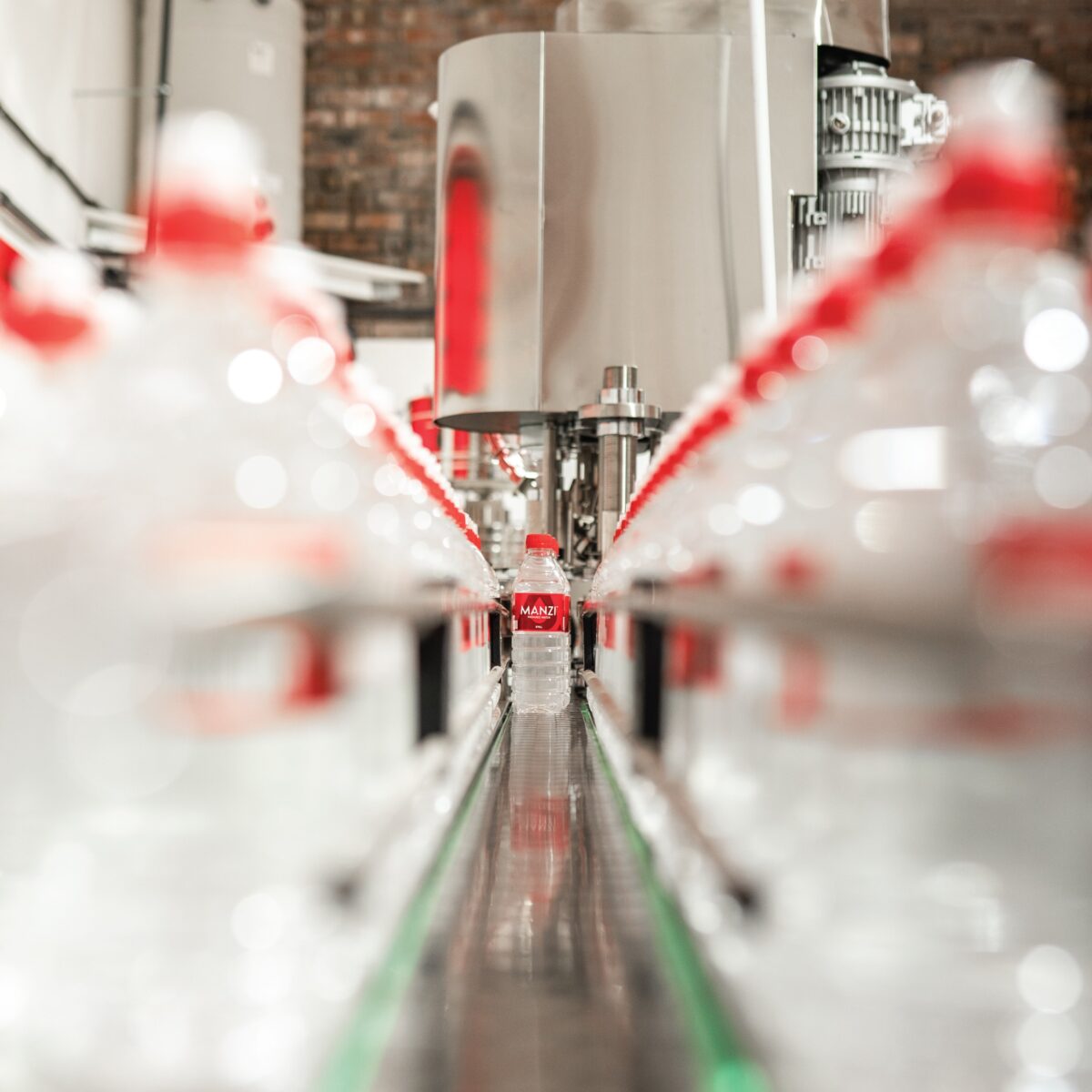
Our PET bottles are 100% recyclable and designed to work within South Africa’s existing recycling infrastructure. MANZI Water is a member of Polyco, and the packaging suppliers we work with pay the required Extended Producer Responsibility (EPR) levies on our behalf. This ensures our bottles contribute financially to national recycling and recovery efforts through South Africa’s recognised EPR system.

Lightweight PET packaging also helps reduce transport emissions and improve distribution efficiency across our growing national footprint.

Plastic Or Glass? The Real Answer

There is no universal winner.

Glass can be a strong option in closed-loop, refillable systems with short transport distances and high reuse rates. When it comes to PET plastic vs glass, however, PET is often the lower-impact choice for widespread distribution, especially in countries like South Africa where logistics, distance, and recycling infrastructure must be considered realistically.

The real question is not which material sounds better, but which delivers better environmental outcomes in practice.

Responsible Disposal Makes The Difference

Regardless of packaging choice, consumer behaviour plays a critical role.

MANZI Water encourages all customers to:

  • Dispose of PET bottles through recognised recycling channels; and
  • Support a circular economy by keeping materials in use.

Sustainability is a shared responsibility.

Sustainability is About Outcomes, Not Myths

When it comes to plastic vs glass bottles, there is no perfect packaging, only better choices made responsibly.

By combining recyclable PET packaging, participation in South Africa’s EPR system through our supply chain, and clear guidance on responsible disposal, MANZI Water remains committed to sustainability that works in the real world.

FAQs

Which lasts longer, plastic or glass?

Glass is generally more durable in terms of material lifespan, as it does not degrade over time in the same way plastics can. However, it is also fragile and prone to breaking, which can limit its practical lifespan in everyday use and transport. PET plastic, on the other hand, is designed to be lightweight, impact-resistant, and suitable for distribution, making it more practical in many real-world applications. From a sustainability perspective, longevity depends less on the material itself and more on how often it is reused and whether it is properly recycled.

Why did we stop using glass containers?

Glass containers have not been completely phased out, but their use has become more selective. In many cases, industries shifted toward materials like PET plastic because they are lighter, easier to transport, less prone to breakage, and more cost-efficient. In countries like South Africa, where products often travel long distances, these factors significantly affect fuel consumption and overall environmental impact. Glass still plays an important role, especially in refillable systems, but it is not always the most practical option for large-scale distribution.

Should I throw out all plastic containers?

No. The goal is not to eliminate all plastic, but to use it responsibly. Materials like PET are widely recyclable and form part of an established recycling system in South Africa. Rather than discarding all plastic, the focus should be on reducing unnecessary use, reusing where possible, and ensuring proper recycling through recognised channels. When managed correctly, plastic can be part of a more sustainable, circular system, especially when supported by initiatives like Extended Producer Responsibility (EPR) and active consumer participation.
Categories
Our Knowledge

Microplastics In Bottled Water: What The Science Actually Says

In recent months, headlines about microplastics in food and water have raised understandable concern. Bottled water is often placed at the centre of this discussion, sometimes framed as carrying “hidden health risks”.

At MANZI Water, we believe consumers deserve calm, factual information rather than alarmist messaging. This article aims to explain what microplastics are, what global health authorities currently say about them, and why bottled water has become an easy target in a much broader environmental conversation.

What Are Microplastics?

Microplastics are very small plastic particles, generally defined as being smaller than 5 millimetres. They originate from many sources, including the breakdown of larger plastic items and everyday activities such as clothing wear, tyre abrasion, packaging use, and environmental degradation.

Because plastics are so widely used in modern life, microplastics have been detected across the environment. This includes air, soil, food, tap water, and bottled water alike.

What Does The Science Currently Say?

The most widely referenced global assessment comes from the World Health Organization (WHO).

In its 2019 report on microplastics in drinking water, the WHO concluded that, based on the limited evidence available, microplastics in drinking water do not appear to pose a demonstrated human health risk at typical exposure levels. Based on the data available at the time, the WHO also stated that routine monitoring of microplastics in drinking water is not recommended as a public-health requirement, largely because health-based thresholds and consistent testing methods were still under development.

Since then, subsequent scientific reviews have not produced conclusive evidence demonstrating harm at typical exposure levels, although research in this field remains ongoing.

Detection, on its own, does not automatically indicate danger.

Why Is There Still Uncertainty?

Microplastics research is a relatively young field. Scientists are still working to:

  • Standardise testing methods so results can be reliably compared.
  • Better understand how particle size, shape, and material interact with the human body.
  • Establish health-based thresholds, if any, that would justify regulatory limits.

This is why responsible public-health authorities emphasise ongoing research and careful interpretation, rather than drawing premature conclusions.

Why Bottled Water Is Often An Easy Target

It is also important to recognise context.

Bottled water is highly visible, widely consumed, and closely associated with plastic packaging, which makes it an easy focal point in discussions about plastics and pollution. In reality, microplastics originate from countless sources that have nothing to do with bottled water, including synthetic clothing fibres, household dust, and industrial processes.

Singling out bottled water can create the impression that it is uniquely responsible for microplastic exposure, when in fact it represents just one small part of a much broader environmental challenge. This does not mean concerns should be dismissed, but it does mean they should be viewed proportionately.

How MANZI Water Approaches Quality And Safety

MANZI Water operates within South Africa’s strict food safety and drinking water framework and adheres to recognised quality standards throughout our operations.

Our approach includes:

  • Using food-grade packaging materials appropriate for bottled water and refills.
  • Applying quality controls across sourcing, purification, filling, handling, and storage.
  • Requiring compliance documentation from packaging suppliers.

Continuously monitoring scientific and regulatory developments as testing methods and guidance evolve.

We deliberately avoid absolute claims because science evolves. Instead, we focus on transparency, compliance, and continuous improvement.

A Balanced Way Forward

Public concern around microplastics reflects a broader desire for healthier and more sustainable systems. That concern is valid. At the same time, it is important to distinguish between emerging research questions and proven health risks.

According to the best available global evidence today, including guidance from the WHO, microplastics in drinking water do not currently present a demonstrated human health risk at typical exposure levels, and routine public-health monitoring is not required at this stage.

At MANZI Water, we remain committed to providing safe, clean drinking water, staying aligned with credible science, and updating our practices as knowledge advances.

FAQs

Is Bottled Water Safe To Drink In South Africa?

Yes. Bottled water in South Africa is regulated under the national food safety framework, including the Regulations Governing Bottled Water. Businesses are required to comply with strict microbiological and quality requirements and often apply recognised drinking water quality benchmarks, such as SANS 241, where appropriate. When produced, stored, and handled correctly, bottled water is considered safe for consumption.

Can I Flush Microplastics Out Of My Body?

At present, there is no specific medical treatment designed to “flush” microplastics from the body. Current scientific understanding suggests that the human body is capable of eliminating many foreign particles naturally through normal biological processes. Research into how microplastics interact with the body is ongoing, but there is no established clinical recommendation for detoxifying or removing them specifically.

What Happens If You Drink Water With Microplastics?

According to current global health assessments, including those from international public-health authorities, there is no confirmed evidence that typical levels of microplastics detected in drinking water cause harm to human health. Microplastics have been found in various environmental sources, including air and food, and research continues to evaluate their long-term impact. Detection alone does not equate to proven health risk, and scientists are still working to better understand exposure thresholds and biological effects.

Categories
Our Knowledge

Can Prepared Water Damage Coffee Machines? What You Need to Know

Coffee machines are precision appliances, and the quality of water used in them plays an important role in both performance and longevity. From time to time, questions arise around whether prepared water is suitable for coffee machines, particularly when compared to municipal water sources.

Prepared water is drinking water that has been treated and prepared for safe consumption, often using purification processes such as reverse osmosis, carbon filtration, UV and ozone. Let’s explore how prepared water affects coffee machines, what actually causes damage, and where properly prepared water fits into the picture.

What Causes Coffee Machine Problems In The First Place?

One of the most common causes of coffee machine issues is limescale buildup. Limescale forms when water contains high levels of hardness minerals, mainly calcium and magnesium. When this water is heated inside a coffee machine, these minerals can settle and form hard deposits on heating elements, pipes, and valves.

Over time, this can result in:

  • Reduced heating efficiency;
  • Blocked internal components;
  • Inconsistent brewing temperatures;
  • Increased maintenance and repair costs; and
  • A shorter overall machine lifespan.

This is why many coffee machine manufacturers and technicians recommend using filtered or treated water, rather than untreated hard tap water.

How Prepared Water Is Different

Prepared water that has undergone purification, including reverse osmosis, is designed to remove:

  • Sediment and fine particles;
  • Chlorine and organic compounds; and
  • Dissolved salts and hardness minerals.

The result is water with very low calcium and magnesium, low total dissolved solids, and a neutral pH. From a mechanical and chemical perspective, this means prepared water does not promote limescale formation, which is one of the primary contributors to coffee machine wear.

At MANZI Water, this approach is central to how our prepared water is produced. Our multi-stage process includes reverse osmosis, carbon filtration, UV, and ozone treatment to ensure consistent quality and safety. A detailed overview of this process is available in our MANZI Water Purification Process blog post.

Does Prepared Water Increase Corrosion Risk?

There is a common misconception that very clean or low-mineral water is automatically corrosive. In reality, corrosion risk in water-using equipment is influenced by a combination of chemical and operational factors, including:

  • Low pH (acidic water);
  • Elevated chloride levels;
  • The presence of disinfectants like chlorine or chloramine;
  • Low alkalinity or buffering capacity; and
  • Temperature and system design.

Prepared water with a neutral pH and low mineral content does not automatically cause corrosion. As with any water used in heated equipment, corrosion risk depends on overall water chemistry, alkalinity, temperature, materials used, and system design rather than mineral content alone.

Taste Preferences Versus Equipment Protection

Water chemistry can influence coffee flavour and extraction, which is why some specialty coffee professionals adjust mineral levels to suit taste preferences. This is a flavour optimisation decision.

However, flavour considerations should not be confused with equipment safety. Prepared water that is not re-mineralised may produce a different taste profile, but this does not mean it damages coffee machines. These are separate considerations that are often mistakenly linked.

Other Factors That Commonly Affect Coffee Machines

When coffee machine issues occur, they are more often linked to:

  • Existing limescale from previous water sources;
  • Machine age or internal wear;
  • Maintenance and descaling history; and
  • Calibration or component sensitivity.

Water quality is only one part of the equation, and prepared water is commonly used specifically to reduce scale-related problems.

In Summary

Prepared water plays an important role in reducing limescale buildup and removing unwanted contaminants that can affect coffee machine performance. While mineral content can influence coffee flavour, there is no inherent reason why properly prepared, neutral-pH drinking water would automatically damage a coffee machine.

Understanding the difference between taste preferences and equipment care helps ensure better coffee, more reliable performance, and longer-lasting machines.

FAQs

What Is Prepared Water?

Prepared water is drinking water that has been treated using approved purification processes to ensure it is safe, clean, and suitable for human consumption. Unlike water defined by natural origin (such as spring or mineral water), prepared water may come from various water sources and is treated to meet recognised drinking-water quality standards. It is clearly labelled as “prepared water” to reflect how it is produced and regulated.

Is Prepared Water Good For You?

Yes. Prepared water that complies with recognised drinking-water standards is safe for everyday consumption. Its quality is controlled through treatment and monitoring processes to ensure it is free from harmful contaminants. For most people, prepared water offers a reliable, consistent, and neutral-tasting option for daily hydration.

What Kind Of Water Should I Put In My Coffee Machine?

The best water for a coffee machine is water that is clean and low in impurities. Prepared water is commonly used to help reduce limescale buildup and unwanted tastes or odours. Where coffee machine manufacturers specify particular water profiles for flavour or warranty purposes, their guidelines should always be followed.

Should I Use Prepared Water In My Coffee Machine?

Using prepared water can be a good option, especially if your tap water is very hard or has a strong taste. Prepared water offers consistency and can help reduce mineral deposits over time. Users should ensure the water is intended for drinking and appropriate for use in heated appliances.

Coffee machine manufacturers may specify particular water compositions for performance or warranty purposes, so users should always follow their equipment manufacturer’s water guidelines.

Categories
Our Knowledge

Understanding What BPA-Free Water Bottles Are

Over the past decade, the term “BPA-free” has become a staple on water bottles, baby products, and even food containers, but what does it really mean, and why should you care?

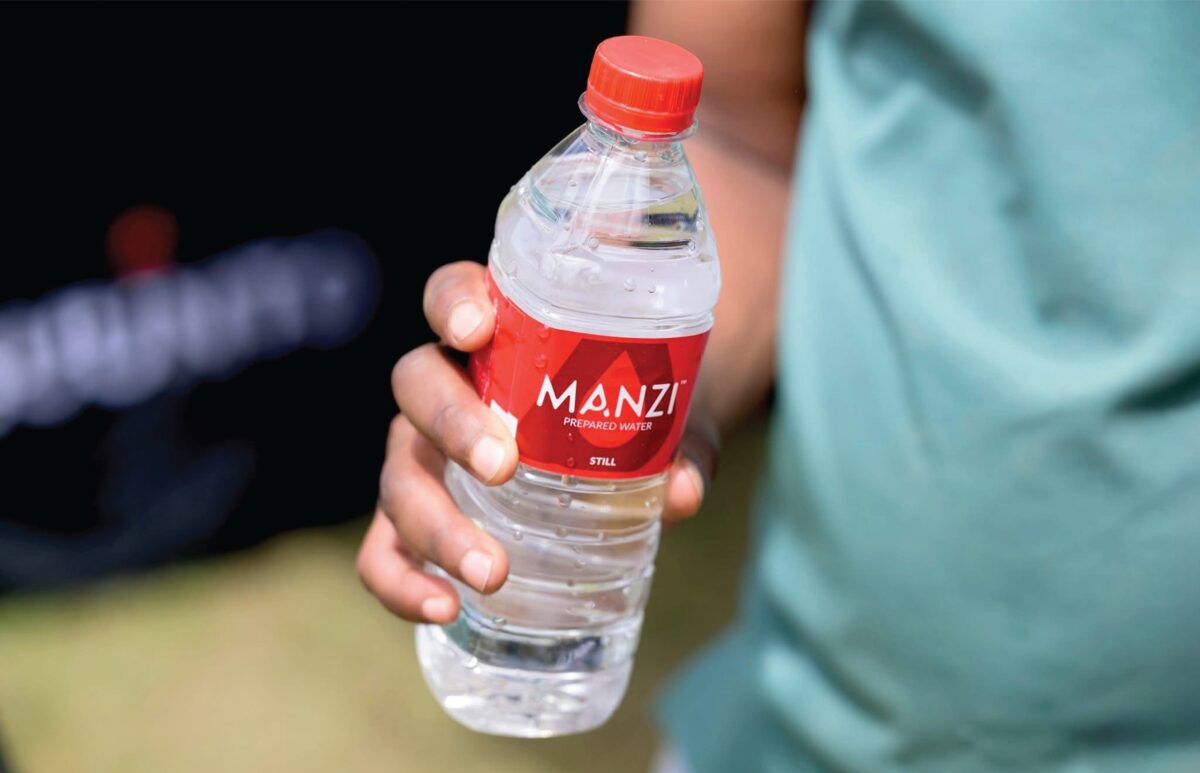
At MANZI Water, our PET bottles are BPA-free to ensure that every sip you take is as safe, clean, and healthy as our water. In this blog, we explore what Bisphenol-A (BPA) is, why it has been controversial, and what makes BPA-free water bottles the safer choice for everyday hydration.

What Is BPA?

Bisphenol-A (BPA) is a chemical compound that has been used since the 1960s to make strong, clear plastics and epoxy resins. BPA can be found in various products, including plastic bottles, food containers, and the linings of canned goods. It enhances durability and shatter resistance, which contributed to its early popularity in manufacturing.

Concerns emerged when studies showed that BPA can leach into food or drinks stored in certain plastics, especially when exposed to heat or wear. Because BPA mimics the hormone oestrogen, scientists began investigating whether long-term exposure could affect human health.

Myths and Facts About BPA

With so much information circulating, it is easy to get confused. Here are some common myths clarified:

Myth 1: All Plastics Contain BPA

Fact: Only certain types of plastic contain BPA, typically those marked with recycling codes 3 or 7. Many modern plastics, including MANZI Water’s PET bottles, are specifically manufactured to ensure that no BPA migration occurs.

Myth 2: BPA-free Means Plastic-Free

Fact: BPA-free does not mean the product contains no plastic, nor does it mean BPA was never used anywhere in the production chain. BPA-free simply means that no BPA migration (leaching) is detected in accredited testing. These plastics remain durable, lightweight, and safe for use with food and beverages.

Myth 3: BPA Exposure Is Always Dangerous

Fact: Trace exposure to BPA from consumer products is not automatically harmful. However, long-term or high-level exposure may pose risks. Choosing BPA-free bottles is a proactive way to reduce potential chemical exposure over time.

Why BPA-Free Matters for Your Health

Even though BPA exposure from everyday products is generally low, research has linked high levels of exposure to potential hormonal imbalances, reproductive issues, and developmental effects in children.

Here’s why switching to BPA-free water bottles makes sense:

  • Protects Hormonal Health: BPA can mimic oestrogen, potentially interfering with hormone function.
  • Safer For Children and Pregnant Women: Developing bodies are more sensitive to hormone-disrupting chemicals.
  • Reduces Plastic Leaching: BPA-free plastics are engineered to prevent chemical migration into your drinking water.
  • Supports Better Taste: BPA-free water bottles avoid the faint “plastic” flavour sometimes noticed in standard bottles.

What Does “BPA-Free” Really Mean?

When a product is labelled BPA-free, it does not mean the manufacturer never used Bisphenol-A in any part of its operations. Instead, it means accredited testing detects no BPA migration into food or beverages. In other words, the contents inside remain unaffected by BPA.

At MANZI Water, we use PET bottles that are BPA-free and undergo rigorous quality checks to ensure they meet international food safety standards. This means you can enjoy every sip with confidence.

How MANZI Water Ensures Safety

Our commitment to health and sustainability extends beyond providing safe, clean drinking water. It includes ensuring that our bottles meet the highest standards. MANZI Water uses PET bottles tested for chemical migration under real-world conditions. They are durable, refillable, and help reduce environmental waste.

The Environmental Advantage

BPA-free bottles don’t just protect your health; they support the environment. By choosing reusable BPA-free water bottles, you help reduce the number of single-use plastics entering landfills and oceans.

MANZI Water’s refill programme encourages customers to reuse durable bottles multiple times, promoting sustainability without compromising on hygiene or safety.

Recognising BPA-Free Products

Wondering how to identify whether a bottle is truly BPA-free? Look for:

  • Recycling Codes: Plastics marked with 1 (PET), 2 (HDPE), 4 (LDPE), 5 (PP), or 6 (PS) do not use BPA in their manufacturing and are generally considered BPA-free.
  • BPA-free Marking: Many manufacturers include a symbol or product label indicating “BPA-free”, confirming the product has been tested and does not contain Bisphenol-A.

Conclusion

Understanding what BPA-free water bottles are empowers you to make healthier and more sustainable choices. BPA-free isn’t just a marketing buzzword; it means no harmful chemical migration, better safety, and purer hydration.

At MANZI Water, we take pride in offering high-quality PET bottles that are BPA-free, durable, refillable, and safe for your family, because great hydration isn’t only about what is in your water; it is also about what holds it.

Categories
Our Knowledge

What Is The Best pH Level For Prepared Water?

When it comes to water, most people think about purity, taste, or whether it’s filtered, but there’s another important factor to consider: pH level.

This simple measurement plays a big role in how safe and healthy your drinking water really is.

At MANZI Water, we believe that understanding pH is key to making informed hydration choices. That is why we maintain our prepared water at a stable and healthy pH of around 7.

In this article, we will explore what pH levels mean, the best pH for prepared water, and why extremes on either side of the scale can be harmful.

What Does pH Level Mean?

The pH level of a substance shows how acidic or alkaline it is, measured on a scale from 0 to 14:

  • 0–6.9 = Acidic (e.g., lemon juice, vinegar)
  • 7 = Neutral (e.g., pure water)
  • 7.1–14 = Alkaline or Basic (e.g., baking soda, soapy water)

The pH level affects the taste, safety, and health impact of your water.

Neutral water (pH 7) is generally considered the most balanced and ideal for daily hydration.

What Is The Best pH Level For Drinking Water?

According to both the World Health Organization (WHO) and SANS 241:2015 standards, the ideal pH for drinking water lies between 6.5 and 8.5.

Within this range:

  • Slightly Acidic (6.5–6.9): Still safe to drink but may corrode pipes or slightly affect the taste.
  • Neutral (7): The perfect balance, clean and crisp, ideal for daily hydration.
  • Slightly Alkaline (7.1–8.5): Often preferred for its smooth taste, although there is no proven health benefit compared to neutral water.

At MANZI Water, we maintain a stable pH of 7, aligning with both international and South African guidelines for safe, clean drinking water.

What Are The Risks of Extreme pH Levels?

Small pH variations are harmless, but extremes can create health and quality issues:

  • Highly acidic water (below 6) can leach metals like lead or copper from pipes, affecting safety and taste.
  • Highly alkaline water (above 9) may cause digestive discomfort, dry skin, and interfere with nutrient absorption.
  • Staying within the 6.5–8.5 range ensures both safety and taste, with neutral water (pH 7) offering the most balanced hydration.

Why Does MANZI Water Maintain a Neutral pH?

At MANZI Water, we prepare and monitor our water carefully to maintain a consistent neutral pH.

Here’s why it matters:

  • Safety: Neutral water avoids corrosive acidity and over-alkalinity.
  • Taste: Balanced pH gives water a naturally fresh, pure taste.
  • Appliance Protection: Neutral water prevents scaling and damage to kettles, coffee machines, and water dispensers.
  • Consistency: Whether bottled or refilled, MANZI Water delivers the same crisp quality every time.

What Sets MANZI Water Apart?

Unlike brands that market highly alkaline water as “superior”, MANZI Water focuses on scientific balance.

Neutral water supports your body’s natural equilibrium without altering internal pH levels.

Our dual model, which consists of packaged water and water refill stations, provides both convenience and sustainability.

While our water refill stations do not fit SANBWA membership criteria, we remain fully compliant with SANS 241 standards, giving every customer confidence in quality and safety.

What Are The Everyday Benefits of Neutral pH Water?

  • Gentle on Digestion: Neutral water is easy on the stomach.
  • Healthier Skin: Balanced hydration supports skin moisture.
  • Efficient Absorption: Your body processes neutral water effectively.
  • Better Oral Health: Neutral water helps maintain a healthy mouth environment.

Conclusion

When it comes to hydration, pH matters more than most people realise.

Neutral water (pH 7) is the safest and most reliable choice for daily drinking.

At MANZI Water, we guarantee water that is pure, balanced, and prepared to perfection so you can hydrate with confidence.

Choose MANZI Water for hydration that is safe, clean, consistent, and always at the right pH.

FAQs

What Is The Best pH Level For Drinking Water?

Around 7 (neutral) is ideal, with 6.5 to 8.5 being the safe range for human consumption.

What Is The pH Level of Water In South Africa?

Municipal water generally ranges between 6 and 8.5, depending on the source and treatment. MANZI Water maintains a constant pH of 7 for safety and quality.

Is 9.5 Ph Water Good To Drink?

It’s not harmful in small amounts but unnecessary for health. Neutral water remains the most balanced and gentle on the body.

What Is The Normal pH of Urine During Pregnancy?

Typically, between 4.5 and 8. Slight alkalinity can occur naturally, but large shifts should be discussed with a healthcare professional.

Categories
Our Knowledge

How to Prevent White Build-Up in Kettles

There’s nothing like a good cup of tea or a hot cup of coffee to start your day, but if you have ever looked into your kettle and spotted a chalky, white residue clinging to the bottom or sides, you are not alone. This common kitchen annoyance, known as white build-up in kettles, affects households across South Africa and is usually a sign of hard water at work.

At MANZI Water, we believe that something as simple as making tea or coffee shouldn’t be spoiled by limescale, and we have got the perfect solution. In this blog, we will explore what causes white build-up, how to prevent it, and why using prepared water not only keeps your kettle clean but also prolongs its lifespan.

What is the White Build-Up in Kettles?

The white residue you see inside your kettle is limescale, a chalky deposit made up mostly of calcium carbonate. It forms when water containing high levels of calcium and magnesium is heated. These minerals are naturally present in what is known as hard water, which is common across Africa.

When water is boiled, it evaporates, leaving the minerals behind. Over time, these minerals settle on the internal surfaces of the kettle, forming a hard, white crust. This white build-up in kettles can dull the kettle’s appearance, reduce its efficiency, and eventually affect the taste of your hot drinks.

What Causes Limescale or White Build-Up in Kettles?

The main culprit behind white build-up in kettles is the mineral content of your tap water. Specifically:

  • Calcium and Magnesium: These naturally occurring minerals are abundant in South African water sources, particularly in areas with limestone geology.
  • Frequent Boiling and Reboiling: The more often you boil water, the more limescale accumulates, especially if you are topping up already-boiled water.
  • Stagnant Water: Leaving water sitting in the kettle overnight or between uses accelerates the scaling process.

Why It Matters: Effects of White Build-Up

While limescale is not harmful to consume, it can have unpleasant and costly consequences:

  • Unattractive Appearance: That cloudy layer inside your kettle doesn’t exactly scream “clean.”
  • Strange Tastes: Mineral residue can interfere with the taste of your tea, coffee, or other hot drinks.
  • Reduced Efficiency: Limescale acts as an insulator, causing your kettle to take longer to heat up and consequently use more electricity.
  • Shortened Appliance Lifespan: If left unchecked, white build-up in kettles can damage heating elements and cause premature failure.

Preventing White Build-Up with Prepared Water

The good news? You can dramatically reduce limescale and the white build-up it causes by simply changing the water you use.

At MANZI Water, our prepared water contains lower levels of calcium and magnesium, making it the ideal choice for use in kettles and other appliances. Here’s how switching to MANZI Water helps:

1. Reduces Mineral Deposits

By using low-mineral, prepared water, you will significantly decrease the amount of calcium left behind after boiling. That means fewer deposits, slower build-up, and cleaner kettles with every boil.

2. Prolongs the Lifespan of Your Kettle

Using prepared water prevents white build-up in kettles that can damage heating elements and corrode internal surfaces. This helps you avoid costly repairs or early replacements.

3. Improves Taste and Clarity

Prepared water ensures that your tea or coffee is brewed with pure, clean water, free of the metallic or chalky taste that limescale can introduce.

4. Supports Sustainable Living

MANZI Water’s refill stations offer an eco-friendly way to reduce plastic waste while enjoying the benefits of consistently prepared water at home. You not only get water that is great for drinking, but also perfect for prolonging the life of your appliances.

Additional Tips to Prevent Limescale in Kettles

Using prepared water is the most effective solution, but there are a few additional habits that can help reduce and manage white build-up in kettles:

  • Empty the Kettle After Use: Avoid leaving water sitting in the kettle for long periods.
  • Descale Regularly: Even with prepared water, it is a good idea to clean your kettle monthly to remove any minor mineral traces.
  • Use a Descaling Agent: Vinegar and lemon juice are natural solutions that can break down existing limescale.
  • Avoid Reboiling Water: Reboiling water can increase the concentration of dissolved minerals, which may affect taste and contribute to limescale build-up.

Conclusion

White build-up in kettles is a common household nuisance caused by mineral-rich water, but it is completely preventable with a few smart choices. By using prepared water, you not only reduce limescale but also enjoy tastier drinks, lower electricity bills, and a longer-lasting kettle.

Whether you are brewing a comforting rooibos or making that essential morning coffee, trust MANZI Water to protect your appliances and deliver pure, clean water — every time. Visit your nearest MANZI Water refill station or try our bottled solutions to make the smart switch today.

Categories
Our Knowledge

Water Dispenser Maintenance and Cleaning to Prolong Its Lifespan

Water dispensers are an essential part of many homes, offices, and commercial spaces, providing convenient access to safe, clean drinking water.

However, like any appliance, they require regular maintenance and proper cleaning to ensure they function efficiently and last for years.

Neglecting maintenance can lead to bacterial buildup, mineral deposits, and mechanical issues, ultimately reducing the quality of your drinking water and the lifespan of your water dispenser.

In this blog, we will explore the best water dispenser maintenance practices, the importance of regular cleaning, and how you can keep your dispenser in top condition.

Why Water Dispenser Maintenance is Important

Routine maintenance of your water dispenser offers several key benefits:

1. Ensures Safe, Clean Drinking Water

Over time, bacteria, mould, and algae can accumulate inside a water dispenser, contaminating the water and may potentially lead to health problems. Regular cleaning of water dispensers eliminates harmful microorganisms, ensuring that your drinking water remains fresh and safe.

2. Prevents Mechanical Issues

Water dispensers have various internal components, which can include cooling and heating elements, and pumps. Without proper maintenance, these parts can become clogged with dirt, dust, or mineral deposits, leading to malfunctions or costly repairs.

3. Improves Efficiency and Performance

A well-maintained water dispenser runs more efficiently, keeping your water at the ideal temperature while using less energy. Cleaning the cooling system and ensuring there’s no buildup inside the pipes helps maintain optimal performance.

4. Extends the Lifespan of the Dispenser

Regular upkeep prevents wear and tear, allowing your dispenser to function effectively for many years. Proper maintenance can extend the lifespan of your appliance, saving you the cost of frequent replacements.

5. Reduces Unpleasant Tastes and Odours

If your water starts to taste or smell different, it could be due to a buildup of bacteria or mould inside the water dispenser. Proper cleaning of water dispensers removes these contaminants, ensuring a clean and fresh taste every time.

Essential Water Dispenser Maintenance Tips

To get the most out of your water dispenser, follow these key maintenance steps:

1. Regularly Clean the Water Tank and Reservoir

The water tank or reservoir is one of the most crucial components to clean. Residue, bacteria, and biofilm can build up inside the tank if left unattended. To maintain hygiene:

  • Drain and clean the reservoir at least once every month.
  • Use mild soap or a vinegar solution to disinfect the tank.
  • Rinse thoroughly with MANZI water to remove any cleaning residue.

2. Clean the Exterior and Dispensing Nozzles

The exterior of your water dispenser can accumulate dust, spills, and bacteria from frequent contact.

  • Wipe down the exterior weekly with a damp cloth and mild detergent.
  • Pay special attention to the dispensing nozzles, as they are a common point of contamination.

3. Replace Water Bottles Properly

Always replace the bottle of the dispenser carefully to prevent introducing dust or bacteria into the system.

  • Wipe the new bottle with a clean, damp cloth before placing it on / in the water dispenser.
  • Ensure the seal is intact to prevent contamination.

4. Sanitise the Drip Tray and Drainage System

Water dispensers have a drip tray that collects excess water, making it a breeding ground for mould and bacteria.

  • Empty and wash the drip tray every week.
  • If your water dispenser has a drainage system, check for clogs or water buildup that could cause leaks.

5. Keep the Cooling and Heating System Clean

To maintain the water dispenser’s ability to chill and heat water, clean the internal cooling and heating components periodically.

  • Dust buildup around the ventilation system can reduce cooling efficiency.
  • Wipe down the heating element to prevent mineral deposits from affecting performance.

6. Use High-Quality Water Sources

Using clean, high-quality water reduces the risk of contamination and mineral buildup inside, reducing the need for water dispenser maintenance.

Therefore, choose trusted brands like MANZI Water to ensure safe, clean drinking water.

7. Store the Water Dispenser in a Clean, Dry Area

The location of your water dispenser also plays a role in its maintenance:

  • Keep it in a shaded area away from direct sunlight to prevent algae growth.
  • Ensure there’s proper ventilation around the water dispenser to prevent overheating.

8. Follow Manufacturer Instructions

Each water dispenser model has specific maintenance needs. Always refer to the user manual for manufacturer-recommended cleaning and maintenance practices.

Conclusion

Regular water dispenser maintenance is essential for ensuring safe, clean drinking water and extending the lifespan of your appliance. By following proper cleaning procedures and scheduling routine upkeep, you can enjoy fresh, great-tasting water while keeping your water dispenser in excellent condition.

At MANZI Water, we believe that access to pure and refreshing drinking water should be hassle-free. Our high-quality Polycarbonate (PC) bottles and ozonated water are designed to complement your water dispenser, offering a safe and sustainable hydration solution.

Stay hydrated, stay healthy, and keep your water dispenser well-maintained for years to come!

FAQs

What maintenance does a water dispenser need?

Water dispensers require regular cleaning of the reservoir, dispensing nozzles, drip tray, and exterior to prevent bacterial buildup. Additionally, internal components should be dust-free for optimal performance.

How do you maintain a water dispenser?

To maintain a water dispenser:

  1. Clean the reservoir every month.
  2. Wipe the exterior and nozzles weekly to remove bacteria and dust.
  3. Empty and wash the drip tray to prevent mould growth.
  4. Keep the cooling and heating elements clean for efficient performance.

What is the best way to clean a water dispenser?

The best way to clean a water dispenser is by:

  • Draining and rinsing the reservoir with mild soap or a vinegar solution.
  • Wiping down the exterior and dispensing nozzles with disinfectant wipes.
  • Cleaning the drip tray and drainage system to prevent mould buildup.
Categories
Our Knowledge

The Benefits of Polycarbonate Bottles for Water Dispensers

Polycarbonate bottles have become a popular choice for water dispensers due to their durability, clarity, and safety. Whether in homes, offices, or public spaces, these bottles offer a reliable way to store and dispense clean drinking water. At MANZI Water, we prioritise quality and safety, which is why our polycarbonate bottles are BPA-free, ensuring a healthier hydration solution. In this blog, we’ll explore what polycarbonate is, the advantages of using polycarbonate bottles for water dispensers, and why MANZI Water’s BPA-free polycarbonate bottles are a superior choice.

What is Polycarbonate?

Polycarbonate is a high-performance plastic known for its strength, impact resistance, and optical clarity. It is widely used in industries such as medical equipment, automotive parts, and food and beverage storage. Unlike traditional plastics, polycarbonate is highly resistant to heat and pressure, making it an ideal material for reusable water bottles.

One of the key reasons polycarbonate is used for water dispenser bottles is its ability to withstand repeated use and cleaning while maintaining its integrity. This ensures that consumers receive fresh, clean water without concerns about contamination or degradation of the bottle material.

The Benefits of Polycarbonate Bottles for Water Dispensers

1. Exceptional Durability

Polycarbonate bottles are designed for long-term use. Unlike disposable plastic bottles that crack or degrade over time, polycarbonate bottles can withstand repeated refills and high-pressure cleaning processes without losing their structural integrity. This makes them a cost-effective and sustainable option for homes and businesses.

2. BPA-Free and Safe for Drinking Water

While traditional polycarbonate bottles contain Bisphenol A (BPA), advancements in technology have led to the development of BPA-free polycarbonate bottles. At MANZI Water, we use BPA-free polycarbonate bottles, ensuring that no harmful chemicals leach into your drinking water.

Why is BPA-free important?

  • BPA has been linked to potential health concerns, particularly with hormonal imbalances.
  • BPA-free bottles eliminate the risk of chemical contamination, making them safer for long-term use.

3. Lightweight Yet Strong

One of the standout features of polycarbonate is that it offers the strength of glass without the weight. This makes it easy to handle and transport, whether you’re placing a bottle on a water dispenser or moving it for refilling.

Key benefits of its lightweight design:

  • Easier lifting and handling.
  • Reduced risk of injury from dropped bottles.
  • Lower transportation costs due to decreased weight.

4. Clear Transparency

Unlike some plastics that turn cloudy over time, polycarbonate remains clear, allowing users to easily see the water level inside. This clarity makes it easier to monitor refills and ensures that the water inside looks as fresh as it tastes.

5. Heat and Impact Resistance

Polycarbonate bottles are highly resistant to temperature variations and physical impacts. This makes them ideal for both indoor and outdoor use. Whether they are stored in hot environments or refrigerated conditions, polycarbonate bottles maintain their strength and shape without warping or cracking.

6. Environmentally Friendly and Reusable

Using polycarbonate bottles for water dispensers significantly reduces plastic waste. Unlike single-use plastics that contribute to environmental pollution, polycarbonate bottles are:

  • Reusable for many years, reducing the demand for disposable alternatives.
  • Recyclable, ensuring they don’t end up in landfills.
  • A sustainable option for businesses and homes looking to lower their environmental footprint.

7. Cost-Effective for Long-Term Use

While the initial investment in polycarbonate water dispenser bottles may be higher than in disposable alternatives, they offer significant savings in the long run. Their durability and reusability reduce replacement costs, making them a cost-effective choice for homes, businesses, and offices.

8. Easy to Clean and Maintain

Polycarbonate bottles are designed for easy maintenance. They can withstand high-temperature cleaning processes without degrading, ensuring that each refill is just as pure as the first.

9. Aesthetic Appeal

Polycarbonate bottles not only perform well but also look great. Their sleek, modern appearance makes them a visually appealing choice for homes and office environments. The clarity of the material enhances the clean and refreshing look of the water inside, reinforcing trust in the purity of the product.

Conclusion

Polycarbonate bottles are the ideal solution for water dispensers, offering durability, safety, and sustainability. Their BPA-free composition, lightweight design, and resistance to heat and impact make them the perfect choice for homes and businesses alike.

At MANZI Water, we are committed to providing high-quality, BPA-free polycarbonate bottles that guarantee a safe, clean and enjoyable drinking experience. Whether you need a reliable water dispenser solution for your home, office, or commercial space, our bottles deliver long-lasting performance and environmental benefits.

Choose MANZI Water’s polycarbonate bottles for superior quality, safety, and sustainability—because every sip of water should be pure, refreshing, and worry-free!

FAQ

Is polycarbonate a good material for a water bottle?

Yes, polycarbonate is an excellent material for water bottles, especially for dispensers. It is lightweight, durable, shatter-resistant, and maintains its clarity over time. Additionally, MANZI Water’s BPA-free polycarbonate bottles ensure a safe and high-quality drinking experience.

Are polycarbonate bottles safe to use?

Absolutely! BPA-free polycarbonate bottles are completely safe for storing drinking water. They do not leach harmful chemicals and are designed for long-term, reusable use. Their ability to withstand high temperatures and thorough cleaning processes further ensures their safety.

Categories
Our Knowledge

The Benefits of Using HDPE Containers for Water Storage

Water storage solutions are crucial in ensuring a safe, clean, and accessible water supply. Among the myriad options available, HDPE (High-Density Polyethylene) containers stand out for their exceptional benefits. Let us dive into the advantages of using HDPE containers for water storage, providing insights into their functionality, sustainability, and safety.

What is an HDPE Container?

HDPE containers are made from high-density polyethylene, a thermoplastic polymer produced from petroleum. Known for their strength-to-density ratio, HDPE containers are lightweight yet robust, making them an ideal choice for water storage. They come in various shapes and sizes, catering to different storage needs, from small household containers to large industrial tanks.

Benefits of Using HDPE Containers

1. Durability and Strength

HDPE containers are renowned for their durability. The material’s high tensile strength ensures that the containers can withstand significant pressure and weight without deforming or breaking. This makes them ideal for long-term water storage, even in challenging environments.

2. Chemical Resistance

One of the most significant advantages of HDPE is its resistance to a wide range of chemicals. Unlike other plastics, HDPE does not react with many substances, ensuring that the water stored remains uncontaminated and safe for consumption. This property makes HDPE containers suitable for storing not just water but also other liquids that might be chemically reactive.

3. UV Resistance

HDPE containers are designed to resist the harmful effects of UV (ultraviolet) radiation. Prolonged exposure to sunlight can degrade many plastics, but HDPE’s UV-resistant properties ensure that the containers remain intact and functional over time. This is particularly important for outdoor water storage solutions.

4. Environmental Sustainability

HDPE is a recyclable material, contributing to environmental sustainability. Used HDPE containers can be recycled and repurposed, reducing the environmental impact and promoting a circular economy. Additionally, the production of HDPE requires less energy compared to other plastics, further minimising its environmental footprint.

5. Safety and Hygiene

HDPE is a food-grade plastic, meaning it is safe for storing consumables, including water. The material does not leach harmful chemicals into the water, ensuring that the stored water remains safe, and clean for drinking. This makes HDPE containers a preferred choice for both domestic and commercial water storage.

6. Cost-Effectiveness

Despite their numerous benefits, HDPE containers are relatively affordable. Their durability means they have a long lifespan, providing excellent value for money over time. Additionally, their lightweight nature reduces transportation costs, making them an economical choice for large-scale water storage solutions.

7. Versatility

HDPE containers are available in various sizes and configurations, making them highly versatile. Whether you need a small container for household use or a large tank for industrial applications, there is an HDPE container that fits your needs.

Frequently Asked Questions

What is HDPE commonly used for?

HDPE is commonly used for a variety of applications, including water and chemical storage containers, plastic bottles, corrosion-resistant piping, and plastic lumber. Its versatility and durability make it suitable for both domestic and industrial uses.

Is HDPE environmentally friendly?

Yes, HDPE is considered environmentally friendly because it is recyclable. The recycling process helps reduce waste and conserves resources, making HDPE a sustainable choice for many applications.

Is HDPE a safe plastic?

HDPE is a safe plastic, particularly for food and water storage. It does not leach harmful chemicals into the contents, ensuring that water and other consumables stored in HDPE containers remain safe for consumption.

Conclusion

HDPE containers offer a multitude of benefits for water storage, making them a top choice for both households and industries. Their durability, chemical resistance, UV resistance, and environmental sustainability make them stand out among other materials. By choosing HDPE containers, you ensure the safe, clean, and efficient storage of water, contributing to a sustainable future. Whether for domestic use or large-scale industrial applications, HDPE containers provide a reliable and cost-effective solution for all your water storage needs.

That is why MANZI Water utilises a wide range of HDPE containers for their water. Ensuring that water can be safely stored long-term and is easily transported to wherever it is needed most.

Categories
Our Knowledge

How to Change a Water Dispenser Bottle

Water dispensers are common in many homes and offices. They provide easy access to hot and/or cold drinking water. However, if you are using a water dispenser for the first time, changing the water dispenser bottle might seem somewhat intimidating.

Understanding the Water Dispenser Bottle

A water dispenser bottle is a large container, typically made of Polycarbonate plastic, designed to provide a convenient and efficient way to supply water through a dispenser unit. These bottles generally come in sizes ranging from 10 to 20 litres.

Many water dispenser bottles are reusable and can be refilled at water stations or via a delivery service, promoting sustainability. Companies like MANZI Water provide reliable options for water dispenser bottles, which can also be delivered to your doorstep.

While water dispensers do consume electricity, especially models with heating or cooling features, the energy usage is relatively low. Using a water dispenser bottle is often cheaper in the long run compared to continuously purchasing individual bottled water, making it a more economical and environmentally friendly option.

Changing a Water Dispenser Bottle

Changing a water dispenser bottle might seem straightforward, but doing it correctly is crucial.

Prepare

Start with a bit of preparation. Begin by washing your hands with soap to ensure you handle the new bottle hygienically. Since the dispenser bottle can be quite heavy, clear the space around the dispenser to safely move the water. Keep a towel handy to catch any spills and dry your hands afterwards.

Remove The Old Bottle

Removing the old bottle is fairly simple. It is, however, important to ensure that the old bottle is almost empty. If it is too full, you will end up splashing water everywhere. If it is empty, grasp the bottle firmly near the neck and lift it straight up to remove it. After removing the bottle, it’s advisable to wipe around the dispenser’s rim to dry it off and clean away any debris.

Inspect The Dispenser

This is a step many people overlook, but it is crucial for maintaining your water dispenser. Look inside the dispenser for any sediment or residue. If you see any, it is time for a cleaning. Use a clean cloth to wipe the mouth of the dispenser where the bottle sits.

Prepare The New Bottle

Now that the old bottle is out, it’s time to prepare the new one. Check for any cracks or damage that might cause leaks. Remove the sticker label that is on the lid of the bottle. Wipe the bottle’s neck with a clean cloth to ensure it’s free of dust or contaminants.

Install The New Bottle

This is the most critical step and requires a bit of finesse. Hold the water dispenser bottle by the neck and align it with the dispenser’s mouth. In one smooth motion, invert the bottle and insert it into the dispenser. A quick, confident motion reduces the risk of spills. Ensure the bottle is seated firmly in the dispenser. You should see bubbles rising, indicating the water is filling the reservoir.

Clean Up

With the new bottle securely in place, it’s time to clean up. Use your towel to wipe any water that may have spilled during the process. Give the exterior of the dispenser a quick wipe-down to keep it looking clean and tidy.

Delicate Parts To Watch Out For

While changing a water dispenser bottle is generally straightforward, there are a few delicate parts you should handle with care.

The Water Spout

The water spout is crucial for dispensing water and is often made of plastic. Avoid putting too much pressure on it while changing the bottle, as it can crack or break easily.

The Dispenser’s Mouth

This part of the dispenser is where the bottle sits. It’s essential to keep it clean and free from any residue. Use a soft cloth to wipe it gently, avoiding any abrasive materials that could scratch it.

The Bottleneck

The neck of the water dispenser bottle can sometimes be fragile, especially on larger bottles. Handle it with care to avoid cracks that could lead to leaks.

Tips for a Smooth Bottle Change

Changing a water dispenser bottle doesn’t have to be a hassle.

Here are some additional tips to make the process smoother:

  • The more you worry about spills, the more likely they are to happen. Stay calm and confident in your movements.
  • If the dispenser is on a countertop or a higher surface, use a step stool to give you better leverage.
  • Regularly clean and inspect your dispenser to ensure it’s always in top shape. This can prevent many issues before they arise.

Conclusion

Changing a water dispenser bottle is a simple yet essential task that ensures you have a continuous supply of safe, clean drinking water.

So next time the water runs low, don’t stress. Just contact MANZI Water and you will have your new bottle in place in no time.