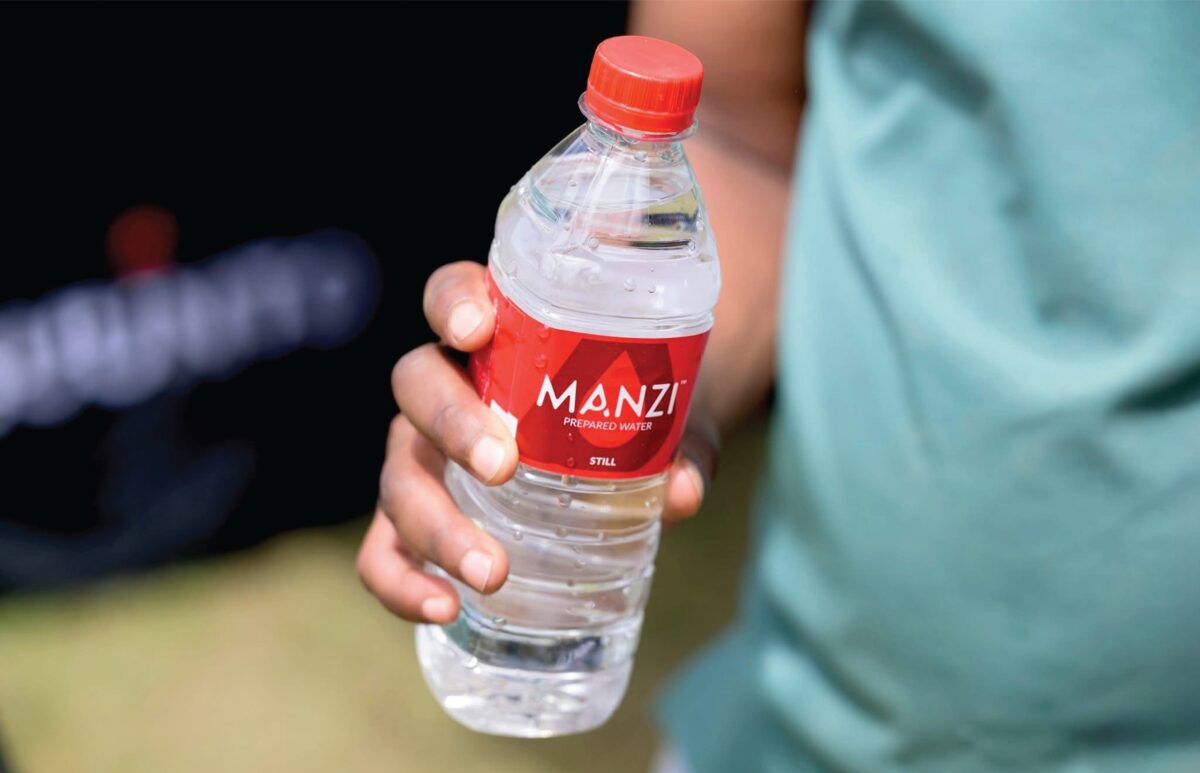
In recent months, headlines about microplastics in food and water have raised understandable concern. Bottled water is often placed at the centre of this discussion, sometimes framed as carrying “hidden health risks”.
At MANZI Water, we believe consumers deserve calm, factual information rather than alarmist messaging. This article aims to explain what microplastics are, what global health authorities currently say about them, and why bottled water has become an easy target in a much broader environmental conversation.
What Are Microplastics?
Microplastics are very small plastic particles, generally defined as being smaller than 5 millimetres. They originate from many sources, including the breakdown of larger plastic items and everyday activities such as clothing wear, tyre abrasion, packaging use, and environmental degradation.
Because plastics are so widely used in modern life, microplastics have been detected across the environment. This includes air, soil, food, tap water, and bottled water alike.
What Does The Science Currently Say?
The most widely referenced global assessment comes from the World Health Organization (WHO).
In its 2019 report on microplastics in drinking water, the WHO concluded that, based on the limited evidence available, microplastics in drinking water do not appear to pose a demonstrated human health risk at typical exposure levels. Based on the data available at the time, the WHO also stated that routine monitoring of microplastics in drinking water is not recommended as a public-health requirement, largely because health-based thresholds and consistent testing methods were still under development.
Since then, subsequent scientific reviews have not produced conclusive evidence demonstrating harm at typical exposure levels, although research in this field remains ongoing.
Detection, on its own, does not automatically indicate danger.
Why Is There Still Uncertainty?
Microplastics research is a relatively young field. Scientists are still working to:
- Standardise testing methods so results can be reliably compared.
- Better understand how particle size, shape, and material interact with the human body.
- Establish health-based thresholds, if any, that would justify regulatory limits.
This is why responsible public-health authorities emphasise ongoing research and careful interpretation, rather than drawing premature conclusions.
Why Bottled Water Is Often An Easy Target
It is also important to recognise context.
Bottled water is highly visible, widely consumed, and closely associated with plastic packaging, which makes it an easy focal point in discussions about plastics and pollution. In reality, microplastics originate from countless sources that have nothing to do with bottled water, including synthetic clothing fibres, household dust, and industrial processes.
Singling out bottled water can create the impression that it is uniquely responsible for microplastic exposure, when in fact it represents just one small part of a much broader environmental challenge. This does not mean concerns should be dismissed, but it does mean they should be viewed proportionately.
How MANZI Water Approaches Quality And Safety
MANZI Water operates within South Africa’s strict food safety and drinking water framework and adheres to recognised quality standards throughout our operations.
Our approach includes:
- Using food-grade packaging materials appropriate for bottled water and refills.
- Applying quality controls across sourcing, purification, filling, handling, and storage.
- Requiring compliance documentation from packaging suppliers.
Continuously monitoring scientific and regulatory developments as testing methods and guidance evolve.
We deliberately avoid absolute claims because science evolves. Instead, we focus on transparency, compliance, and continuous improvement.
A Balanced Way Forward
Public concern around microplastics reflects a broader desire for healthier and more sustainable systems. That concern is valid. At the same time, it is important to distinguish between emerging research questions and proven health risks.
According to the best available global evidence today, including guidance from the WHO, microplastics in drinking water do not currently present a demonstrated human health risk at typical exposure levels, and routine public-health monitoring is not required at this stage.
At MANZI Water, we remain committed to providing safe, clean drinking water, staying aligned with credible science, and updating our practices as knowledge advances.
FAQs
Is Bottled Water Safe To Drink In South Africa?
Yes. Bottled water in South Africa is regulated under the national food safety framework, including the Regulations Governing Bottled Water. Businesses are required to comply with strict microbiological and quality requirements and often apply recognised drinking water quality benchmarks, such as SANS 241, where appropriate. When produced, stored, and handled correctly, bottled water is considered safe for consumption.
Can I Flush Microplastics Out Of My Body?
At present, there is no specific medical treatment designed to “flush” microplastics from the body. Current scientific understanding suggests that the human body is capable of eliminating many foreign particles naturally through normal biological processes. Research into how microplastics interact with the body is ongoing, but there is no established clinical recommendation for detoxifying or removing them specifically.
What Happens If You Drink Water With Microplastics?
According to current global health assessments, including those from international public-health authorities, there is no confirmed evidence that typical levels of microplastics detected in drinking water cause harm to human health. Microplastics have been found in various environmental sources, including air and food, and research continues to evaluate their long-term impact. Detection alone does not equate to proven health risk, and scientists are still working to better understand exposure thresholds and biological effects.